Thanks for subscribing.
Your gift is on the way.
 Link copied



Recommendation letters, written by teachers, mentors, employers, or senior managers, are critical documents that influence hiring decisions, academic admissions, promotions, and even immigration or compliance-related processes. In business settings, they often serve as formal endorsements of leadership ability, reliability, and cultural fit, factors that are difficult to convey through CVs or performance metrics alone.
Yet producing high-quality recommendation letters is both time-intensive and inconsistent. Executives, HR leaders, and team managers are frequently asked to write multiple letters under tight deadlines, often alongside core operational responsibilities. Maintaining a persuasive, professional tone while tailoring each letter to a specific role or institution can quickly become a bottleneck.
This pressure is reflected in growing AI adoption across professional environments. A 2024 report by the education research firm found that about one-third of high school teachers have used AI tools to write letters of recommendation for students, a clear signal of how AI is becoming a practical support tool in academic and professional settings. At the same time, broader workplace surveys show that 20-40% of professionals now use AI tools at work, with significantly higher adoption in knowledge-intensive roles such as software development, consulting, and management.
This surge in AI adoption reflects a broader trend: professionals increasingly rely on AI not as a replacement, but as an aid, automating repetitive tasks and boosting efficiency without sacrificing quality. In the realm of recommendation letters, AI tools offer structured templates, polished language, and personalized output based on input details, helping writers overcome common challenges.
Do you have outsourcing needs?
In this article, we review the top six AI-powered recommendation letter generators that combine speed, customization, and professionalism. Whether you’re a recruiter, educator, or manager, these tools can support your letter-writing process without diminishing the vital human touch that makes recommendations impactful.
A strong recommendation letter calls for more than good intentions; it takes time, focus, and the ability to articulate someone’s strengths clearly. But for busy professionals, it often becomes a rushed, repetitive task that’s harder than it seems. For educators handling dozens of applications, that workload multiplies quickly. One professor recounts a “5‑minutes-per‑student” process turned into 15-30 minutes per letter after accounting for submission hurdles. AI recommendation letter generators offer a practical solution by combining speed, structure, and personalization. Here’s why they’re becoming an essential tool for educators, recruiters, and managers alike:
Teachers, HR professionals, and executives are often asked to write multiple recommendation letters each year, making the process time-consuming and repetitive. In many cases, the first draft is prepared by the candidate and later reviewed by the recommender. AI tools support both workflows by generating structured drafts from minimal input and enabling multiple versions with different tones or emphasis. This makes it easier to select, refine, and personalize a strong letter without starting from scratch.
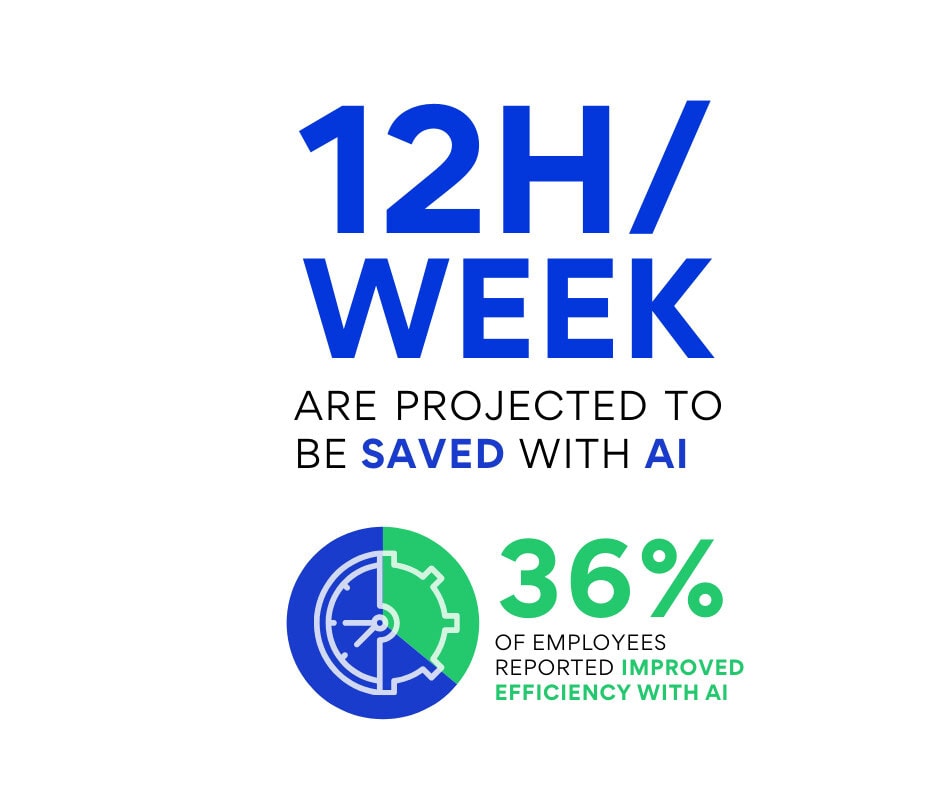
In fact, according to Thomson Reuters’ 2024 report, AI tools are projected to save professionals up to 12 hours per week, with early adopters reporting time savings of 4 hours per week.
Similarly, a 2024 MarketWatch survey, citing research from Microsoft, found that 36% of employees reported improved efficiency thanks to AI tools, particularly in reducing time spent on repetitive tasks.
A professional, well-structured tone is key in recommendation letters, but not everyone feels confident writing them. Even experienced professionals can struggle to strike a balance between sincerity and formality. AI generators are built on extensive datasets containing high-quality professional and academic writing, enabling them to replicate structured flow, consistent tone, and proper grammar.
A 2025 study showed that students using AI writing assistants like Grammarly and ChatGPT experienced a 15% average improvement in grammar proficiency, along with stronger structural coherence and vocabulary usage in their writing.
Supporting this, a 2025 analysis examined over 700000 hours of transcribed speech and found that AI tools like ChatGPT are influencing language use, leading to more frequent adoption of polished, academic-style vocabulary. AI tools generate structured letters with clear sections, introduction, body, and closing, helping users avoid vague language or formatting issues and meet professional standards with ease.
Do you have outsourcing needs?
Even seasoned professionals can struggle to find the right words, especially when writing multiple letters. AI tools ease this process by offering prompts and structured suggestions based on your input, helping you highlight key traits like leadership or reliability, while still allowing for personal touches.
Supporting this, a 2023 study of 200 professional writers found that 68% reported reduced frequency of “creative blockages” after integrating AI writing tools into their workflow. However, most confirmed that the best results were achieved when AI was used in combination with traditional writing techniques.
AI generators help users quickly draft personalized, well-written letters, avoiding clichés and making the process smoother from the start.
Recommendation letters are used across education, employment, immigration, and customer or client endorsements. AI-generated letters adapt to each context, whether for school applications, job roles, scholarships, visa processes, or customer recommendations, highlighting relevant strengths clearly and consistently, even under tight deadlines.
Because AI tools allow for fast customization of tone, structure, and content, they can adapt seamlessly to each of these scenarios, making them a practical and powerful writing assistant for professionals across sectors.
When selecting the top AI-powered tools for generating recommendation letters, we focused on practical features that directly impact usability, quality, and flexibility. These criteria help distinguish tools that are genuinely helpful from those that simply produce generic, templated outputs. Our goal was to identify tools that strike a balance between automation and personalization, making them suitable for both high-stakes academic and professional contexts.
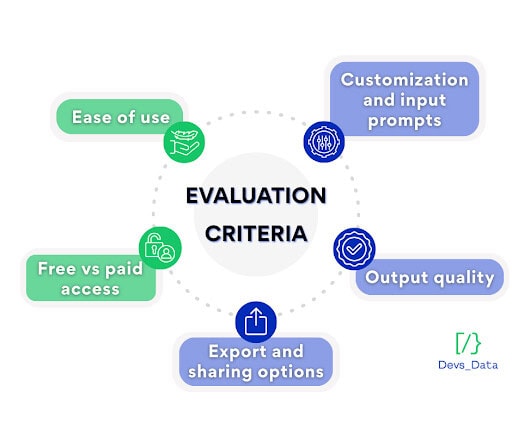
A good recommendation letter generator should be intuitive and require minimal onboarding. We prioritized tools with clean interfaces, guided workflows, and minimal technical friction, so even non-technical users can produce a strong letter in minutes. Tools that use simple dropdowns, conversational input fields, or step-by-step prompts were especially favored. Complex UIs or overwhelming feature sets often discourage adoption, particularly among educators and HR staff who are pressed for time.
The ability to tailor letters to specific individuals and contexts is essential. Tools that offer guided input prompts, such as relationship to the candidate, key achievements, and target audience, ranked higher, as they support more relevant and personalized outputs. Customization also includes the ability to adjust tone (formal, enthusiastic, neutral) and length. Some tools even suggest phrasing based on the role or program being applied to, making the experience smoother and more context-aware.
Do you have outsourcing needs?
The letter must not only be grammatically correct, but also professionally structured and tonally appropriate. We evaluated how well each tool generates coherent, properly formatted letters that reflect real-world expectations for academic, professional, and administrative use. This includes a clear introduction, a detailed middle section with accomplishments or character traits, and a strong conclusion. Tools that delivered natural, human-like writing and avoided clichés or robotic phrasing scored higher in this category.
Once the letter is ready, exporting should be seamless. We considered whether the tool supports multiple formats (PDF, Word, plain text) and allows for easy sharing or downloading without unnecessary friction or watermarking. In many real-world scenarios, the generated letter needs to be quickly sent to another platform, like a university portal, HR system, or embassy office. Tools that gate these features behind a paywall without transparency were ranked lower.
Accessibility matters, especially for educators, students, and early-career professionals. We compared the availability of meaningful features in free versions versus paid plans, giving preference to tools that deliver real value without requiring immediate subscription.
At the same time, for commercial and business use cases, paid access is often necessary to ensure proper commercial licensing, advanced customization, and compliance with usage terms. Premium plans typically unlock features such as tone control, extended outputs, export options, and usage rights suitable for professional environments. We also evaluated trial availability, pay-per-use models, and pricing transparency as part of the overall assessment.
AI tools can streamline the recommendation letter writing process by offering structured templates, tone control, and time-saving automation. Below are six of the most effective tools available today, each with distinct strengths depending on your needs.
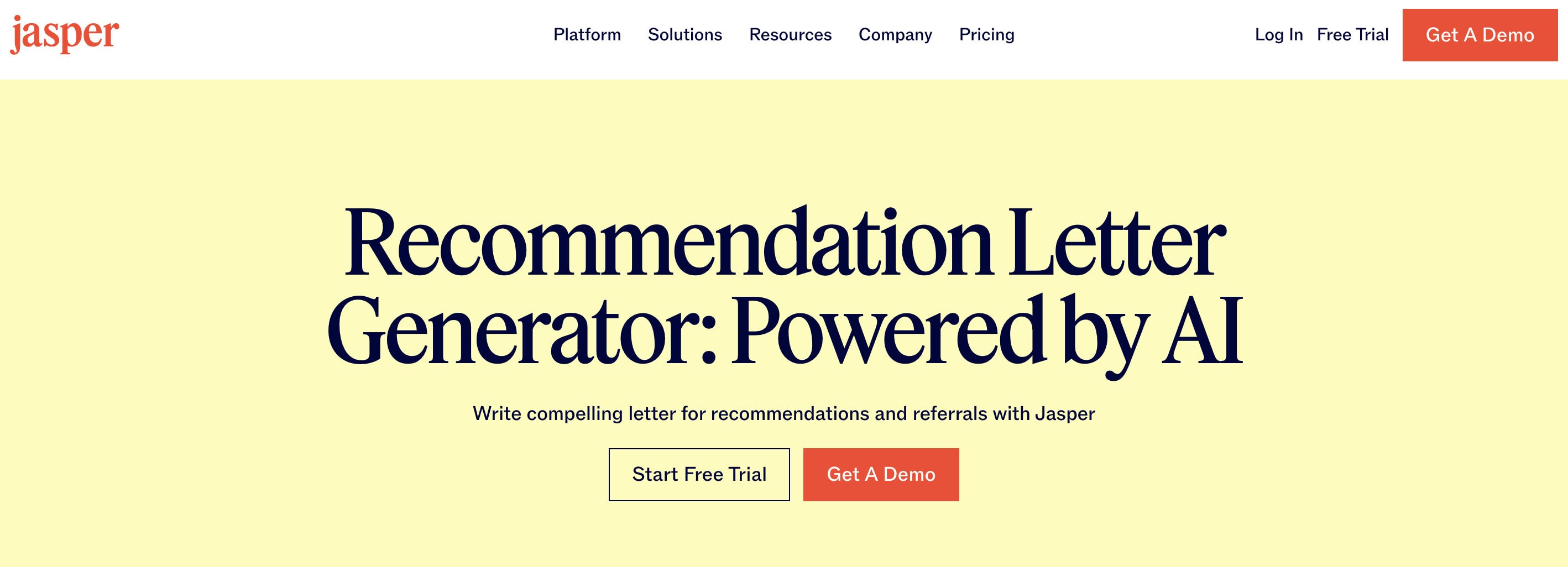
Jasper AI is a premium AI writing platform widely used for professional, marketing, and business content at scale. Beyond recommendation letters, it supports use cases such as internal communications, employer branding, reports, sales copy, and long-form documentation. Its recommendation letter generator allows users to input candidate details, select tone, and generate a polished draft with minimal effort.
With support for over 30 languages and strong personalization features, Jasper is well suited for organizations and professionals who value consistency and quality across multiple content types. While it delivers excellent structure and tone, the tool is priced at a premium, starting at $49/month with a 7-day free trial. It’s best suited for HR teams, managers, and educators who need high-quality written output across recurring, formal communication tasks and are willing to invest in an enterprise-grade solution.
Key highlights:
Claude is an advanced AI writing assistant developed by Anthropic, widely used for thoughtful, long-form professional and academic writing. While it doesn’t market a dedicated recommendation letter generator, Claude is frequently chosen by educators, managers, and professionals to draft recommendation letters that feel natural, coherent, and genuinely human. It performs especially well when users provide detailed context about the candidate, relationship, and intended audience.
Claude is available through multiple platforms, including Anthropic’s own interface and third-party apps. A free plan allows a limited number of messages per month, while paid subscriptions typically start at around $20-$30/month for higher usage limits and access to advanced models. This pricing, combined with Claude’s strong writing quality and contextual understanding, makes it a compelling option for users who need nuanced, polished letters without rigid templates or paywalls on export.
Key highlights:
Copy.ai is a versatile, beginner-friendly writing platform that includes a recommendation letter template among its many offerings. It’s especially useful for those who want quick results without deep customization. The interface is intuitive, and the free plan offers 2,000 words per month, making it accessible for occasional users.
While advanced features like tone control and longer outputs require a paid plan ($49/month), Copy.ai is an excellent choice for freelancers, students, and teachers who need a quick draft with room for manual refinement.
Key highlights:
WriteMe.ai focuses on speed and simplicity. Users provide a few details, such as the recipient’s name, the candidate’s strengths, and context, and the tool generates a basic letter within seconds. It’s perfect for users who need fast results and are comfortable editing the content themselves.
The tool is free for limited use, with paid plans starting at $15/month. For commercial and professional use cases, a paid plan is typically required to ensure appropriate commercial licensing and usage rights. It’s ideal for busy professionals who need a functional first draft quickly, without getting bogged down in complex settings or templates.
Key highlights:
Scribbr’s generator is tailored specifically for academic use. Developed by a well-regarded academic editing company, it helps teachers and professors quickly produce recommendation letters for university or scholarship applications through guided, structured prompts that ensure clarity and coherence. Beyond recommendation letters, Scribbr is widely known for its academic support tools, including plagiarism checking, citation generation, proofreading, and thesis editing services. This academic focus ensures that generated letters follow formal conventions, appropriate tone, and institutional expectations.
It’s completely free to use and requires no login, but it’s best suited for educational purposes rather than professional job references. Ideal for school counselors, faculty, and students navigating academic applications.
Key highlights:
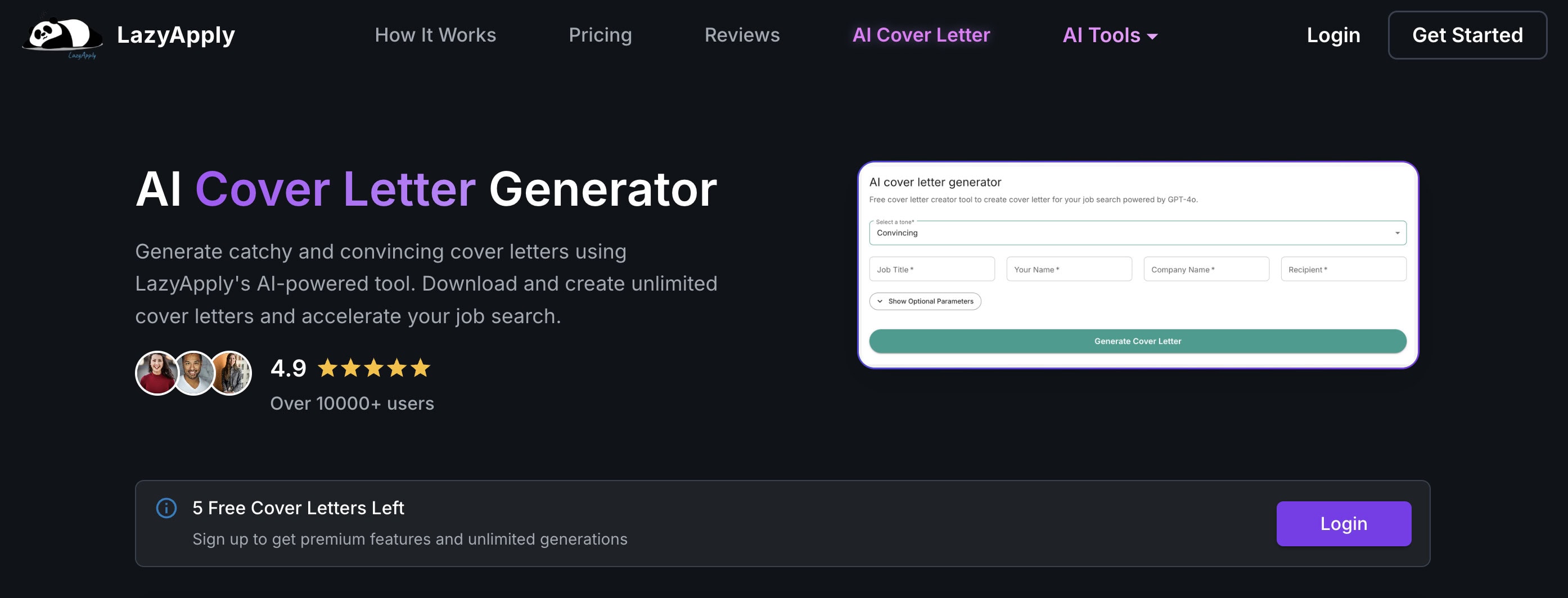
Primarily known for automating job applications, LazyApply also features a recommendation letter builder tailored to employment scenarios. It’s particularly useful for HR managers writing internal references or job seekers building professional endorsements. The tool supports ATS-optimized phrasing and bulk editing options.
Pricing starts at a one-time fee of $29.99, and while the interface is not the most modern, it offers strong utility for job-market-focused users.
Key highlights:
Do you have outsourcing needs?
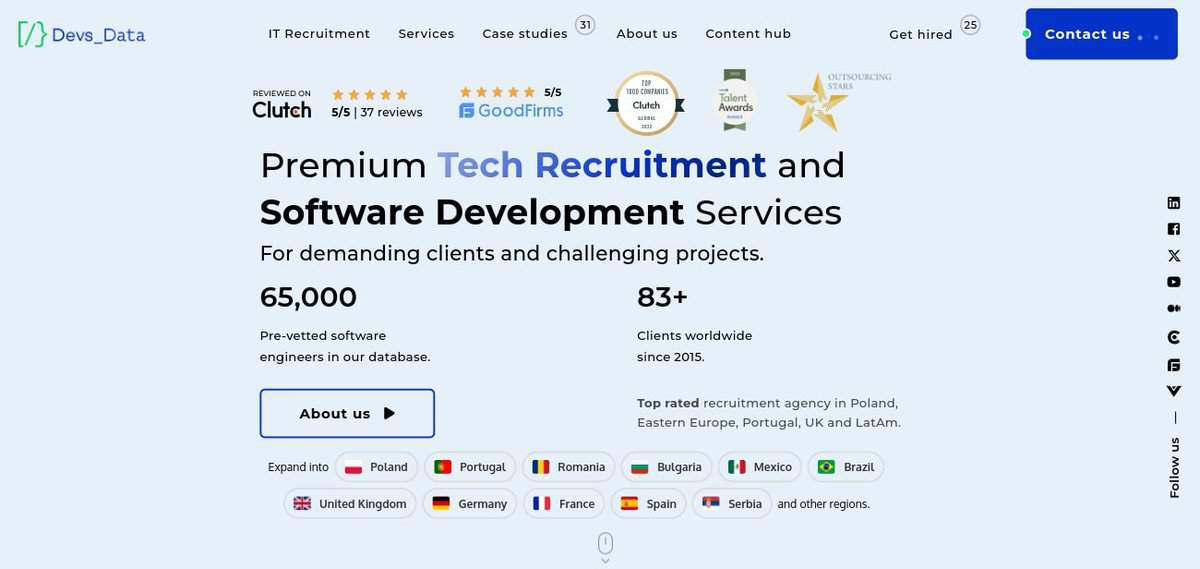
Website: www.devsdata.com
Company size: ~60 employees
Founding year: 2016
Headquarters: Brooklyn, NY, and Warsaw, Poland
For organizations seeking more than off-the-shelf tools, DevsData LLC provides end-to-end software development services focused on integrating AI into real business processes. With over nine years of experience, DevsData LLC’s engineers have delivered complex solutions ranging from DevsData LLC backend infrastructure and data pipelines to modern, user-friendly interfaces. Their track record includes supporting global clients in developing AI-driven tools for industries such as education, finance, and eCommerce, projects that require not only technical precision but also scalability, compliance, and seamless integrations.
DevsData LLC helps companies embed AI capabilities into existing workflows across HR, operations, analytics, and customer-facing systems. Their experience includes supporting global clients in implementing AI-driven solutions for education, finance, and eCommerce, projects that demand not only technical precision, but also scalability, security, compliance, and seamless integration with internal platforms.
What sets DevsData LLC apart is its focus on quality and transparency. The company’s teams, comprising US-based specialists and Google-level engineers, employ a data-driven methodology to ensure that solutions meet both business and technical objectives. Case studies highlight successful collaborations where DevsData LLC built AI assistants, recommendation engines, and data-intensive platforms, helping clients unlock automation while maintaining complete control over customization.
DevsData LLC’s commitment to client success has earned them over 80 satisfied clients globally and a portfolio of 100+ successful projects. Client public testimonials showcase the company’s exceptional performance, backed by perfect 5.0 ratings on both Clutch and GoodFirms, testament to an unwavering commitment to excellence.
One example of DevsData LLC’s work in the maritime logistics sector involved Maersk Tankers, a global leader managing one of the world’s largest fleets. The client sought senior-level data scientists and engineers to develop AI-powered predictive models aimed at optimizing vessel efficiency, fuel consumption, and routing. DevsData LLC deployed a dedicated six-month engagement, embedding experts directly into Maersk Tankers’ teams to design scalable data pipelines, build advanced machine learning models, and integrate predictive analytics tools into daily operations. What began as a focused collaboration on fuel optimization expanded into a broader AI and data science partnership, underscoring DevsData LLC’s ability to deliver high-impact, domain-specific AI solutions tailored to the operational needs of large enterprises.
Key features
Learn more about DevsData LLC at www.devsdata.com or reach their team directly at general@devsdata.com.
AI tools can greatly accelerate the recommendation letter writing process, but the output should never be used without review. To ensure your letter feels authentic, professional, and context-appropriate, follow these key best practices:
1. Always review and personalize the output
AI-generated drafts are just a starting point. Before sending, read through the letter carefully and make sure it reflects your real experience with the candidate. Personalization is key. Adjust phrasing, add context, and ensure your voice and relationship come through naturally.
2. Add specific examples
Generic praise often falls flat. Strengthen the letter by including specific examples of the candidate’s achievements, behaviors, or impact. Whether it’s a project they led, a challenge they overcame, or a quality they consistently demonstrated, real examples increase credibility and reader engagement.
3. Match the tone to the context
Different situations require different tones. A formal, reserved tone may be appropriate for graduate school applications or immigration references, while a warmer or more enthusiastic tone may suit job recommendations or internal promotions. Even if the tool offers tone settings, manually reviewing tone alignment is essential.
4. Check for factual accuracy and clarity
AI may occasionally invent or misstate facts, especially if you provide minimal input. Double-check all names, dates, roles, and accomplishments for accuracy. Also, scan for generic filler phrases that don’t add value, and replace them with concise, meaningful content.
By applying these steps, you can turn an AI-generated draft into a polished, trustworthy, and highly effective recommendation letter, saving time without compromising quality or sincerity.
AI-powered tools have reshaped how recommendation letters are created, enabling organizations to reduce time spent on repetitive writing tasks while improving consistency and quality. For educators managing high volumes of requests, HR teams preparing internal endorsements, managers supporting promotions, or professionals drafting client and partner recommendations, these tools provide a structured and efficient starting point suited to modern work environments.
At the same time, the most effective recommendation letters still rely on human judgment. While AI can support structure, tone, and clarity, credibility comes from thoughtful review, concrete examples, and an authentic voice based on real experience. Used correctly, AI serves as a productivity enabler rather than a replacement for professional insight.
Off-the-shelf tools are often sufficient for individual or ad hoc use cases. For organizations aiming to apply AI more broadly across HR workflows, internal documentation, customer communications, or operational processes, DevsData LLC supports the integration of AI into existing systems in a scalable and compliant manner. This approach allows companies to move beyond isolated productivity gains and toward sustainable, organization-wide automation.
When applied thoughtfully, AI recommendation letter tools and broader AI integrations can enhance efficiency and professionalism while preserving the human perspective that makes recommendations meaningful.
Discover how IT recruitment and staffing can address your talent needs. Explore trending regions
like Poland, Portugal, Mexico, Brazil and more.
 Frequently asked questions (FAQ)
DevsData – your premium technology partner
DevsData is a boutique tech recruitment and software agency. Develop your software project with veteran engineers or scale up an in-house tech team of developers with relevant industry experience.
Free consultation with a software expert
🎧 Schedule a meeting
FEATURED IN

DevsData LLC is truly exceptional – their backend developers are some of the best I’ve ever worked with.”

Nicholas Johnson
Mentor at YC, serial entrepreneur


 Build your project with our veteran developers.
Explore the benefits of technology recruitment and tailor-made software.
Learn how to source skilled and experienced software developers.
Build your project with our veteran developers.
Explore the benefits of technology recruitment and tailor-made software.
Learn how to source skilled and experienced software developers.

Rebecca Botvin

Commercial Director

Tom Potanski
Manager




Categories: Big data, data analytics | Software and technology | IT recruitment blog | IT in Poland | Content hub (blog)
Email copied
And many other regional partners across Latin and North America, as well as Central and Eastern Europe. Let's talk.













careers@devsdata.com









general@devsdata.com

"I interviewed about a dozen different firms. DevsData LLC is truly exceptional – their backend developers are some of the best I've ever worked with. I've worked with a lot of very well-qualified developers, locally in San Francisco, and remotely, so that is not a compliment I offer lightly. I appreciate their depth of knowledge and their ability to get things done quickly."

Nicholas Johnson
CEO of Orange Charger LLC,
Ex-Tesla Engineer,
Mentor at YCombinator
"DevsData reached out to us, as we've been looking to grow our engineering team in Europe and Poland. Communicating efficiently and professionally, DevsData made a strong impression with their understanding of the recruitment challenges we were facing. They designed a tailored recruitment process for our needs. I was impressed with the technical depth of their approach."

Karim Butt
Co-Founder & CTO at GlossGenius, Inc.
"Out of all the vendors we work with, DevsData clearly stands out. The quality of developers they deliver is beyond what we've received from any other vendor, and they've been able to send profile recommendations very quickly. I'm happy to be their reference for other companies from Israel and talk about their recruitment abilities and what they delivered for us."

Ran Eyal
Senior Manager at
ZIM Integrated
Shipping Services Ltd.
"DevsData demonstrated a strong degree of proactivity, taking time to thoroughly understand the problem and business perspective, and continuously suggesting performance and usability enhancements. Their app exceeded my expectations. I've worked with DevsData on numerous projects over the last 3 years and I'm very happy. Being both responsive and honest in communication."

Jonas Lee
Partner & Executive VP of Verus,
Financial LLC, Investor,
& Serial Entrepreneur
Acknowledgments