Thanks for subscribing.
Your gift is on the way.
 Link copied


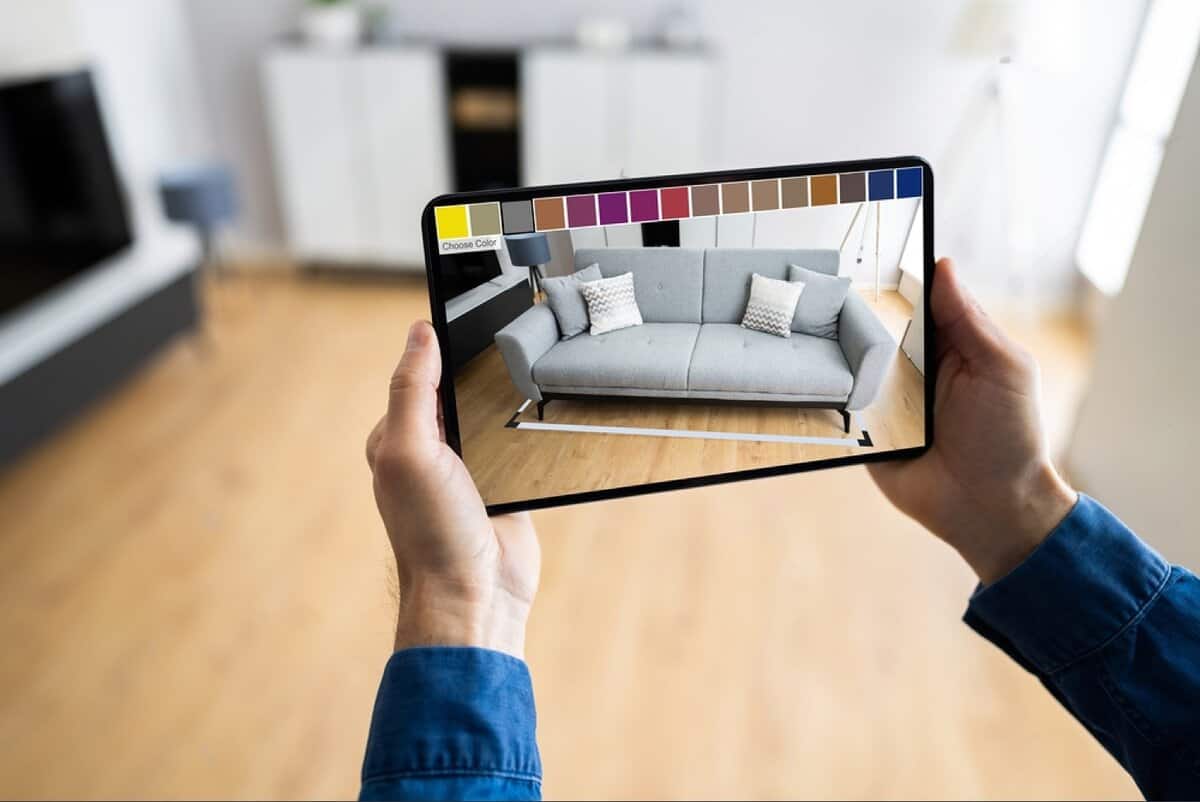
The ability to visualize furniture within real spaces has transformed how people shop and design interiors. Augmented reality now allows users to place digital models of sofas, tables, and décor in their homes, helping them assess fit, style, and color with accuracy before making a purchase. This technology bridges the gap between imagination and reality, making the buying process more interactive and informed.
Recent data underscores this shift: the global AR market reached $83.65 billion in 2024 and is projected to grow nearly sevenfold by 2030. At the same time, retail accounted for 55% of AR usage worldwide in 2024, showing that the sector has already become the leading driver of adoption.
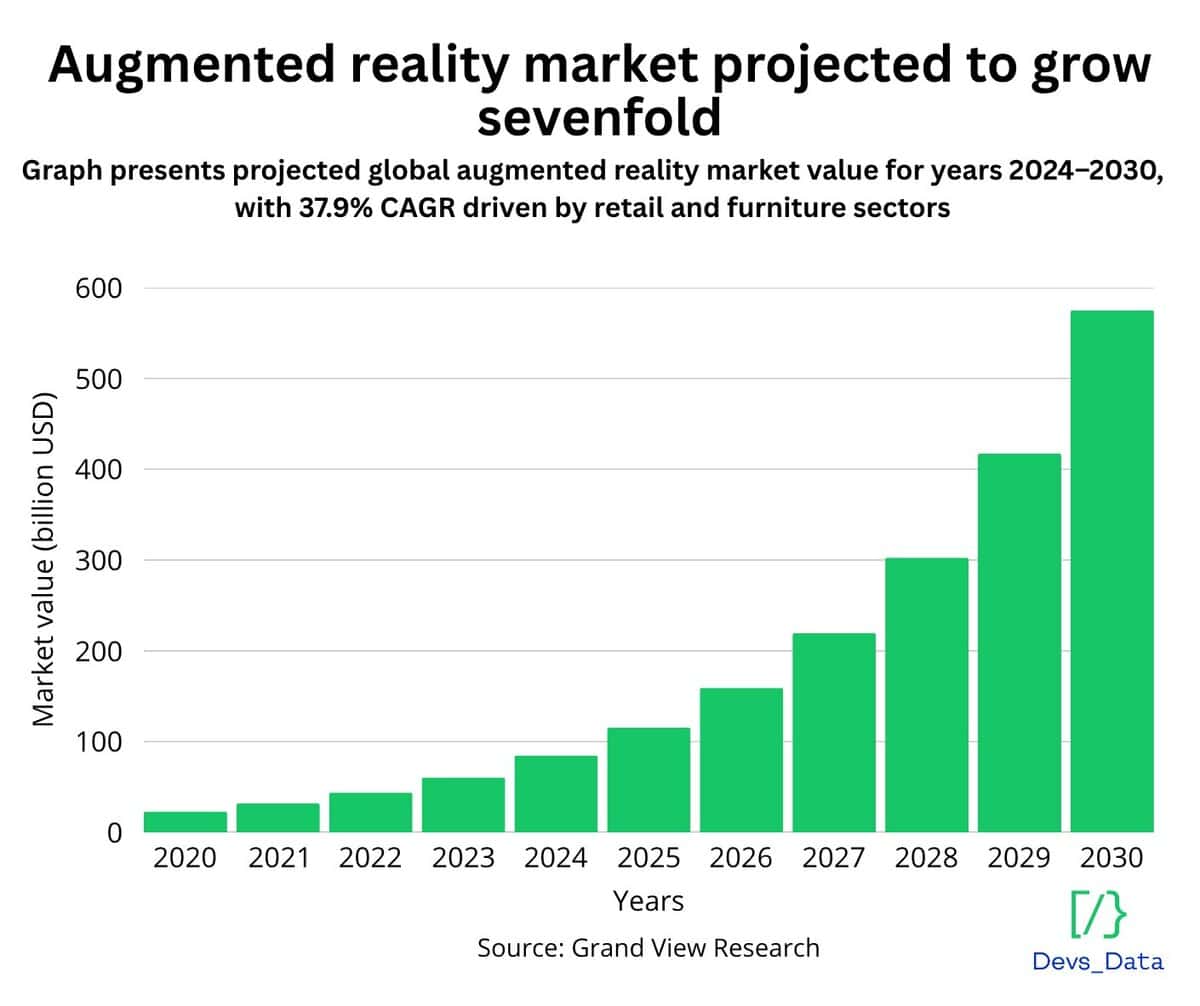
As AR tools become more advanced, they enable retailers to offer immersive experiences and support more informed buying decisions. These technologies combine real-time visualization with mobile or web access, providing businesses with new ways to meet customer needs. This article explores what augmented reality is, its role in the furniture industry, and seven practical business use cases.
Augmented reality, often called AR, integrates digital elements with physical surroundings to create enhanced visual experiences. This technology allows retailers to project interactive content, such as 3D product models, onto real-world scenes viewed through a device’s camera.
For furniture businesses, AR lets shoppers preview how a sofa, table, or lamp would look in their rooms using a smartphone or tablet. The process is simple: customers aim their device at a chosen area and see the virtual item appear as if it is part of the actual space. This method helps buyers make decisions without needing to visit a store in person.
It is essential to distinguish AR from virtual reality (VR). While VR places users in a completely digital environment, AR merges virtual features with the actual surroundings, creating a blended experience.
A 2025 study by London Research found that 58% of furniture retailers in the UK and US have already adopted AR solutions.
By connecting digital content with real-world perspectives, augmented reality has become an effective tool for marketing and remote product evaluation. This section outlines the basic concepts behind AR and explains how it differs from other technologies.
Do you have software development needs?
The furniture industry has embraced augmented reality as a practical solution to the long-standing problem of product visualization. Traditional online shopping often left buyers uncertain about the compatibility of size, color, and design. AR now addresses these challenges by letting shoppers digitally arrange furnishings within their actual living spaces.
Retailers have introduced AR features into mobile apps and web platforms that let users explore catalogs in a new way. Shoppers can browse through a wide array of chairs, tables, and cabinets, then select an item to project into their home environment using a device’s camera.
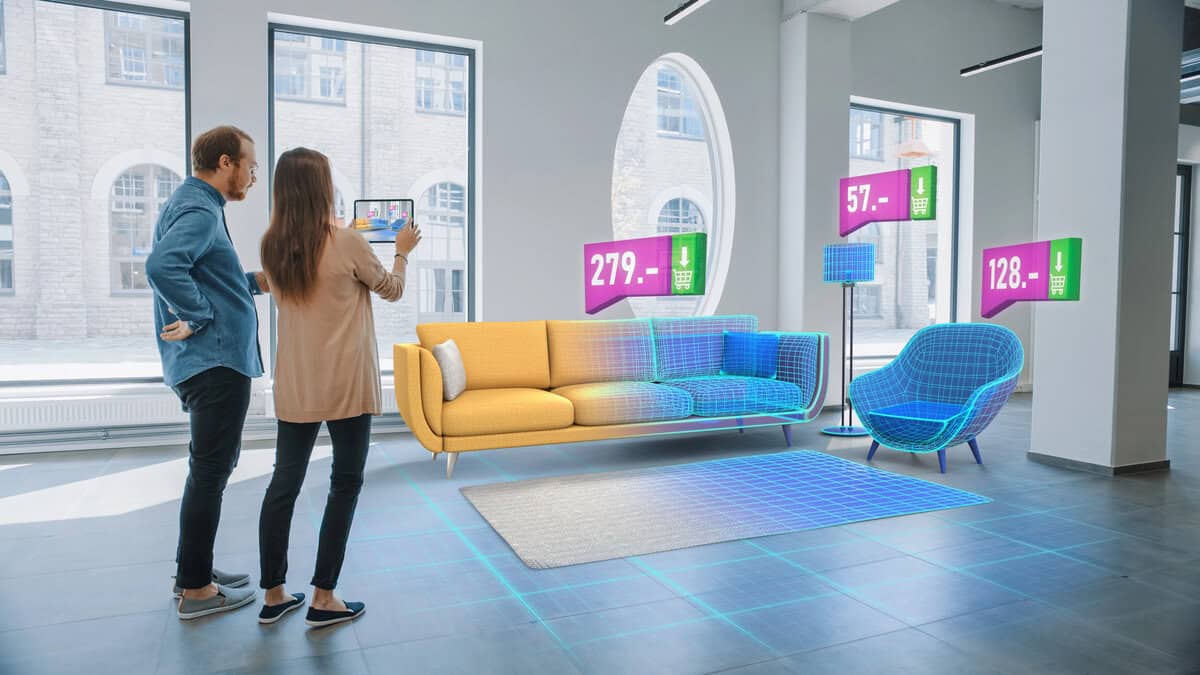
These tools produce accurate 3D renderings that appear anchored to the floor or against a wall, helping users judge how each piece will complement existing decor. As a result, buyers can experiment with layouts, try different styles, and compare options before making a purchase. AR’s integration into furniture retail has not only improved customer confidence but has also reduced the frequency of returns, as expectations are set more realistically before checkout.
When adopting augmented reality within the furniture sector, businesses can choose between two primary formats: WebAR and AppAR.
WebAR delivers AR content directly through a standard web browser. Customers do not need to download any special software; they simply visit the retailer’s website and activate the experience on their device. This method is appealing for its simplicity, making AR features widely accessible without additional steps for users. For companies, WebAR eliminates the need for further investment in developing and maintaining a separate application.
AppAR takes a different approach. It requires users to install a dedicated application to engage with augmented reality tools. Although this creates a higher entry barrier, it also enables more advanced capabilities. Features such as detailed animations, high-quality visuals, and interactive elements are more robust in an app environment. The downside is the added cost of app development and the challenge of persuading users to install yet another program on their device.
The choice between WebAR and AppAR will depend on business goals, technical requirements, and the desired customer experience. Each method presents unique strengths and trade-offs that furniture retailers should carefully evaluate.
| Feature | WebAR (Web – Native AR) | Traditional AR mobile app |
|---|---|---|
| Access | Instant access (no app needed) | Requires a dedicated app |
| Adoption rate | High adoption rate | Low adoption rate |
| Audience | Broader audience | Limited audience |
| Development costs | Low development costs | High development costs |
| Feature complexity | Simpler features | Rich in-app experience |
Augmented reality changes how people buy and sell furniture by reducing uncertainty before purchase. IKEA was among the first to scale this idea through its IKEA Place app in 2017, which achieved 98% accuracy in product scale and dimensions. The app allowed users to view true-to-scale models and confirm how pieces fit in their rooms. Wayfair expanded that approach through View in Room 3D, offering quick previews directly from its product catalog. Modsy added a design layer that turned customer photos into 3D interiors, while Burrow focused on showing how modular parts could combine inside real spaces. Each example shows how visual clarity strengthens confidence and lowers the chance of costly mistakes.
Below are some of the most significant advantages:
AR lets shoppers see furniture in their intended space before buying. This makes it easier to judge size, match colors, and decide if a piece fits the room’s style. The process helps minimize uncertainty, especially with larger purchases.
Instead of being limited by physical space, retailers can present a wide digital catalog through AR. Customers can browse, compare, and explore many options from home, without needing to visit a store.
With AR, users can move, rotate, and test out different finishes or arrangements for each product. The ability to try out new looks and share them with friends online makes shopping more personal and enjoyable.
AR gives shoppers the freedom to customize items in real time. They can experiment with colors, materials, or configurations to find the right match for their home. This hands-on approach supports individual style, making every selection feel unique.
Despite growing interest, very few furniture retailers offer full AR experiences. Businesses that do are more likely to attract attention, stand out in the market, and build a reputation for forward-thinking service.
While augmented reality brings clear advantages to furniture retailers, several important drawbacks remain. Many companies introduce AR hoping to boost engagement, but not all customers embrace the technology.
These adoption challenges, along with technical, financial, and privacy concerns, mean that businesses should carefully weigh both the benefits and limitations. Companies considering AR should be aware of these possible drawbacks:
Building AR features requires specialized software, skilled developers, and high-quality 3D modeling. The initial investment can seem substantial, particularly for smaller retailers. Experienced development teams reduce this burden by delivering efficient solutions that scale with business needs rather than requiring complete in-house technical infrastructure.
AR furniture tools work best on modern smartphones and tablets. Customers with older devices may experience reduced performance or limited access to certain features. Smart implementation strategies prioritize web-based AR solutions that work across broader device ranges, ensuring wider audience reach without forcing users to upgrade their hardware.
AR apps for furniture can capture images and details of a user’s home. Modern implementations process most visual data directly on the device rather than transmitting images to external servers, reducing exposure. Strong development practices include on-device processing, encryption during any necessary data transmission, and clear user consent protocols to prevent misuse.
Following data protection standards such as GDPR compliance, encrypting transmitted data, and anonymizing images before storage or analysis builds trust with users. Clear consent forms and transparency about data collection protect shopper privacy while meeting regulatory requirements.
AR models sometimes differ from real products in color, scale, or texture. These discrepancies can lead to disappointment or returns when delivered items don’t match their virtual previews. Professional AR developers address this by calibrating for different lighting conditions, using high-resolution 3D models, and clearly disclaiming potential variations. Side-by-side photos of real products and their AR renderings help set accurate expectations for customers.
Shoppers who rely primarily on AR for decision-making may overlook aspects such as comfort, durability, or physical feel that emerge during in-person evaluation. Practical AR implementations complement rather than replace traditional shopping methods, giving customers tools to narrow choices before visiting stores to confirm final selections.
AR features can encounter bugs, compatibility issues, or system crashes during development and deployment. These problems frustrate customers and erode trust in both the technology and the retailer. Rigorous testing protocols and ongoing technical support from experienced teams minimize these disruptions and maintain smooth user experiences.
Addressing these considerations requires both technical capability and industry understanding. Retailers who partner with development teams specializing in AR for furniture gain solutions built on proven frameworks, reducing implementation risk and accelerating time to market.
Do you have software development needs?
Augmented reality is changing how furniture companies present their products and how customers shop from home. Below are seven examples of well-known brands using AR to improve the buying process and customer satisfaction.
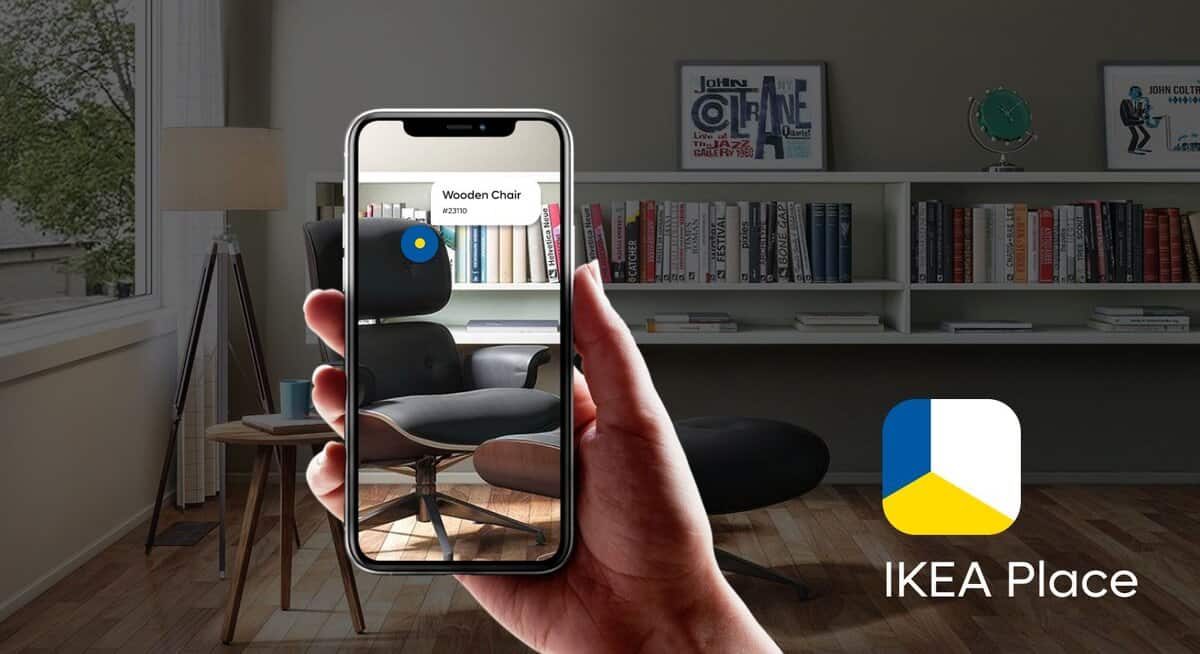
IKEA Place lets users position digital models of furniture within their own living spaces using a smartphone or tablet. The app enables customers to select from a diverse range of products and view them in real-time, allowing them to see how items fit and match their current décor. Lighting, scale, and color are accurately represented, making selection easier and reducing uncertainty. Shoppers can move and rotate pieces as they plan their room layout, streamlining decision-making without visiting a store.
Amazon’s AR View enables customers to preview home furniture directly from the mobile app or certain browsers. By opening the AR feature, shoppers can select furniture or décor and place it virtually in their room. The platform allows customers to adjust and examine items from multiple angles, compare different products, and see what works best in their environment. This easy-to-use tool removes the need for extra downloads and helps buyers feel confident about their online choices.

Wayfair’s app features “View in Room 3D,” which lets users see furniture in their chosen space. The tool offers a selection of products that can be visualized at home, making it simple to compare styles and finishes. Customers can place several furniture items at once, adjust layouts, and plan how the set works as a whole.

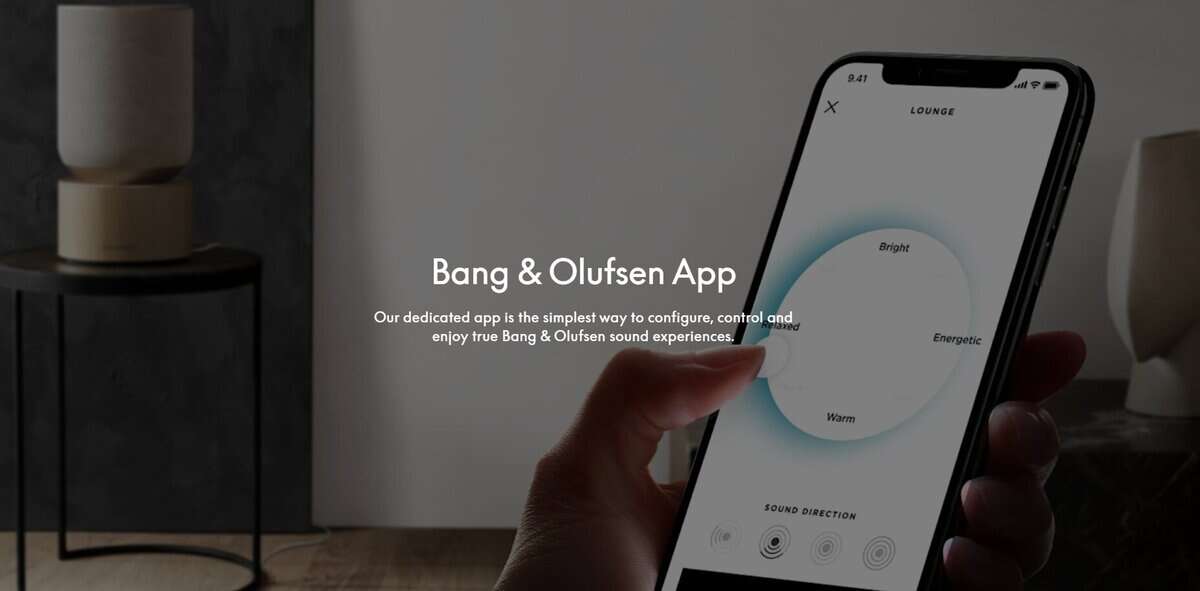
Bang & Olufsen provides an AR Experience app designed for customers considering high-end speakers or audio systems. The app lets users select and virtually place products in their rooms, customizing colors and finishes as needed. Shoppers can experiment with different configurations and find the best spot for each item. This solution is especially useful for those investing in premium electronics, the company’s core focus since its founding.
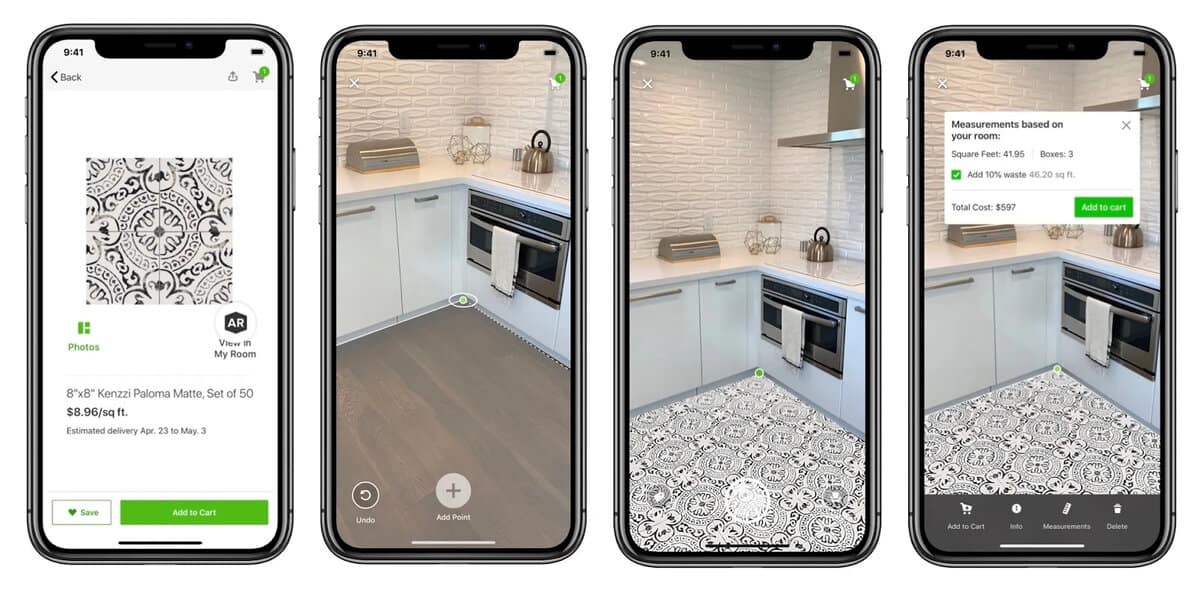
The Houzz app’s AR feature, “View in My Room 3D,” allows shoppers to place furniture and décor in their own home settings. Users can move items around, test different looks, and combine various products within the same scene. The tool also supports wall and floor visualization, helping both consumers and interior professionals experiment with colors, finishes, and décor themes before committing to a project.
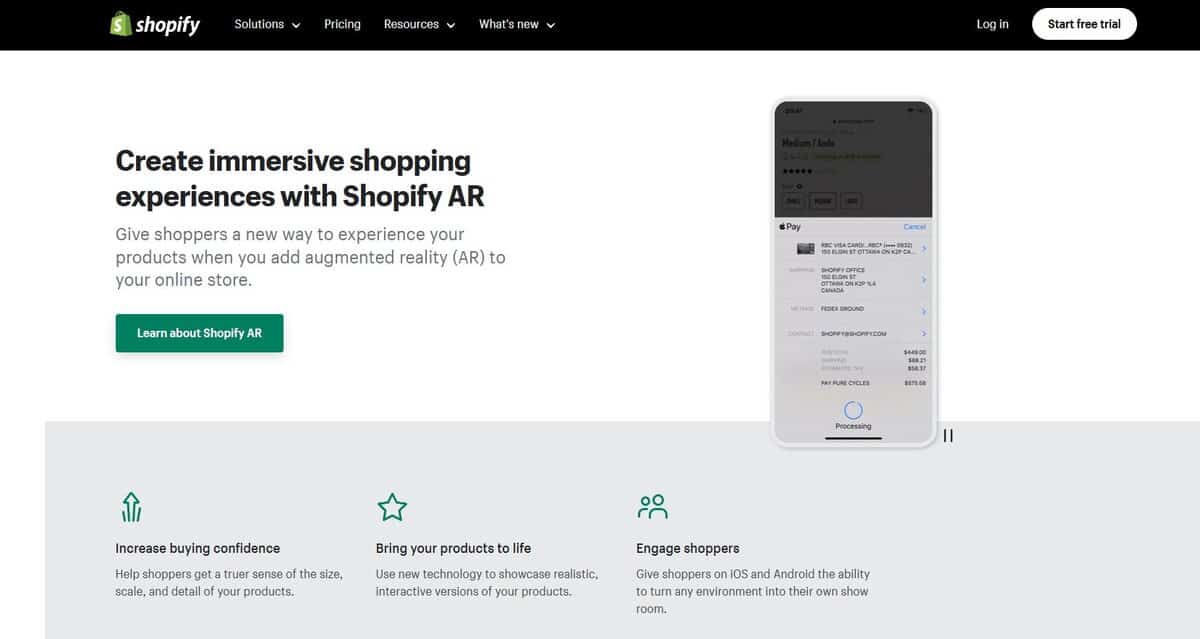
Shopify merchants can add AR and 3D content to product pages, letting buyers preview items in their homes without extra software. Customers use their device camera to see how furniture fits their space and make changes instantly. The system supports rotating, resizing, and moving products to find the best arrangement. For small and medium-sized retailers, Shopify removes the need to build costly custom AR solutions, giving them access to tools that were once limited to large enterprises.
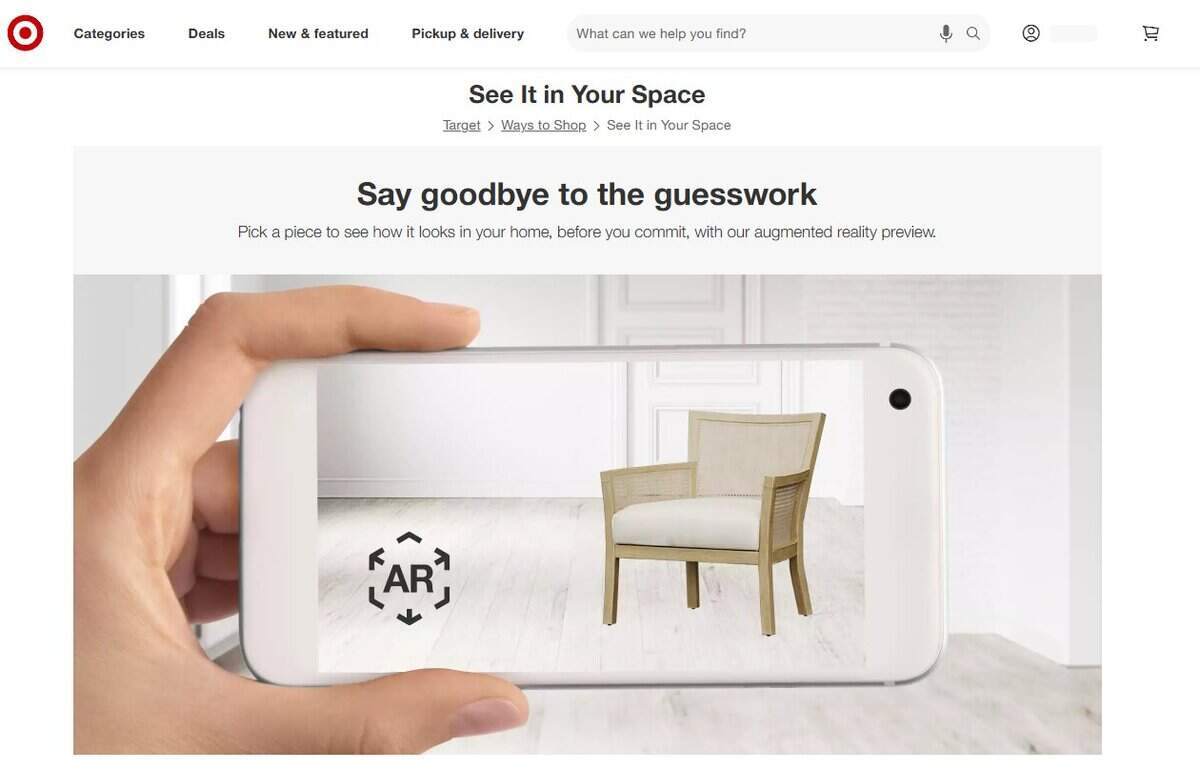
Target’s app features “See It in Your Space,” which enables customers to visualize furniture and décor items in their rooms. By tapping the AR icon, shoppers can try on different pieces and experiment with placement before making a purchase. The interface is kept simple, with clear controls that let users place, move, and adjust items quickly, making it easy to plan and personalize their space with confidence.
Augmented reality continues to help furniture brands provide clear, personalized, and engaging shopping experiences for today’s customers.
As more retailers seek to introduce AR tools, many are looking for expert partners who can deliver these solutions efficiently. The following section will explore how DevsData LLC helps companies bring advanced AR technology to the furniture industry.

Website: www.devsdata.com
Team size: ~60 employees
Founded: 2016
Headquarters: Brooklyn, NY, and Warsaw, Poland
DevsData LLC is recognized as a top-tier software development partner with a strong focus on Augmented Reality (AR) solutions. The company delivers advanced, high-quality technology across multiple sectors, prioritizing both client satisfaction and operational efficiency at a global level. With a core emphasis on AR, DevsData LLC creates interactive tools that help organizations connect with their audiences in meaningful ways, supported by developers with over 10 years of AR experience.
Beyond AR, the team provides custom software services, ranging from mobile app development to complex backend architecture. Each solution is tailored to meet a range of unique business needs.
The group brings deep expertise in big data analytics, a key component in building effective AR platforms. Team members have backgrounds with leading technology firms, applying advanced analytics and machine learning to deliver strong results, especially in the fast-paced AR market.
Their client-centered model gives DevsData LLC global reach and adaptability, allowing them to offer competitive pricing without compromising on quality. The team consists of experienced professionals based in the US and Europe, including engineers with backgrounds at companies such as Google. With over 100 completed projects for more than 80 international clients, DevsData LLC has earned a reputation for delivering flexible, high-standard solutions for organizations of all sizes, ranging from global corporate clients to fast-growing startups in markets such as the US and Israel.
Client satisfaction is a defining feature of their approach. DevsData LLC consistently receives top ratings on review sites like Clutch and GoodFirms, with a steady stream of positive feedback and testimonials.

Key features:
The company has built many case studies that reflect well-executed technical work. One notable project involved designing Computer Vision software for a defense client to recognize human posture in live video. The team built a lightweight solution that works smoothly on affordable Nvidia GPU hardware.
To address the challenges of the Nvidia Jetson platform, DevsData LLC used OpenCV to maximize real-time accuracy and efficiency, surpassing traditional Deep Learning approaches. Custom software bindings further improved performance.
Today, they continue to enhance this system, adding real-time segmentation and gesture recognition. These upgrades provide clients with richer, more precise video insights, demonstrating the company’s ongoing commitment to advanced technology.
To learn more about DevsData LLC and its Augmented Reality expertise, contact general@devsdata.com or visit www.devsdata.com.
Augmented reality is shaping the future of furniture retail by bringing digital innovation to the shopping experience. Choosing the right partner for AR implementation is essential for companies aiming to maximize these benefits and keep pace with industry advancements. Careful selection ensures solutions align with both business goals and customer needs.
Businesses are finding that AR not only enhances how customers shop but also delivers measurable improvements for retailers. Visualization features, interactive catalogs, and personalized experiences help bridge the gap between online and in-store shopping, supporting both engagement and conversion.
A proof-of-concept study found AR could boost furniture sales by 5% and reduce product returns.
DevsData LLC stands out in this space, drawing on more than nine years of software development expertise and a global team of specialists, including US-based and Google-level in-house engineers. With over 100 completed software projects for 80+ clients, DevsData LLC’s consistent track record and technical depth make it a top choice for businesses seeking reliable, high-quality AR services in furniture and beyond.
For further details on DevsData LLC’s services, contact them at general@devsdata.com or explore their website at www.devsdata.com.
Any questions or comments? Let me know on Twitter/X.
Discover how IT recruitment and staffing can address your talent needs. Explore trending regions like Poland, Portugal, Mexico, Brazil and more.
 Frequently asked questions (FAQ)
DevsData – your premium technology partner
DevsData is a boutique tech recruitment and software agency. Develop your software project with veteran engineers or scale up an in-house tech team of developers with relevant industry experience.
Free consultation with a software expert
🎧 Schedule a meeting
FEATURED IN


DevsData LLC is truly exceptional – their backend developers are some of the best I’ve ever worked with.”

Nicholas Johnson
Mentor at YC, serial entrepreneur


 Build your project with our veteran developers.
Explore the benefits of technology recruitment and tailor-made software.
Learn how to source skilled and experienced software developers.
Build your project with our veteran developers.
Explore the benefits of technology recruitment and tailor-made software.
Learn how to source skilled and experienced software developers.

Rebecca Botvin

Commercial Director

Tom Potanski
Manager




Categories: Big data, data analytics | Software and technology | IT recruitment blog | IT in Poland | Content hub (blog)
Email copied
And many other regional partners across Latin and North America, as well as Central and Eastern Europe. Let's talk.
















careers@devsdata.com









general@devsdata.com

"I interviewed about a dozen different firms. DevsData LLC is truly exceptional – their backend developers are some of the best I've ever worked with. I've worked with a lot of very well-qualified developers, locally in San Francisco, and remotely, so that is not a compliment I offer lightly. I appreciate their depth of knowledge and their ability to get things done quickly."

Nicholas Johnson
CEO of Orange Charger LLC,
Ex-Tesla Engineer,
Mentor at YCombinator
"DevsData reached out to us, as we've been looking to grow our engineering team in Europe and Poland. Communicating efficiently and professionally, DevsData made a strong impression with their understanding of the recruitment challenges we were facing. They designed a tailored recruitment process for our needs. I was impressed with the technical depth of their approach."

Karim Butt
Co-Founder & CTO at GlossGenius, Inc.
"Out of all the vendors we work with, DevsData clearly stands out. The quality of developers they deliver is beyond what we've received from any other vendor, and they've been able to send profile recommendations very quickly. I'm happy to be their reference for other companies from Israel and talk about their recruitment abilities and what they delivered for us."

Ran Eyal
Senior Manager at
ZIM Integrated
Shipping Services Ltd.
"DevsData demonstrated a strong degree of proactivity, taking time to thoroughly understand the problem and business perspective, and continuously suggesting performance and usability enhancements. Their app exceeded my expectations. I've worked with DevsData on numerous projects over the last 3 years and I'm very happy. Being both responsive and honest in communication."

Jonas Lee
Partner & Executive VP of Verus,
Financial LLC, Investor,
& Serial Entrepreneur
Acknowledgments