Thanks for subscribing.
Your gift is on the way.
 Link copied


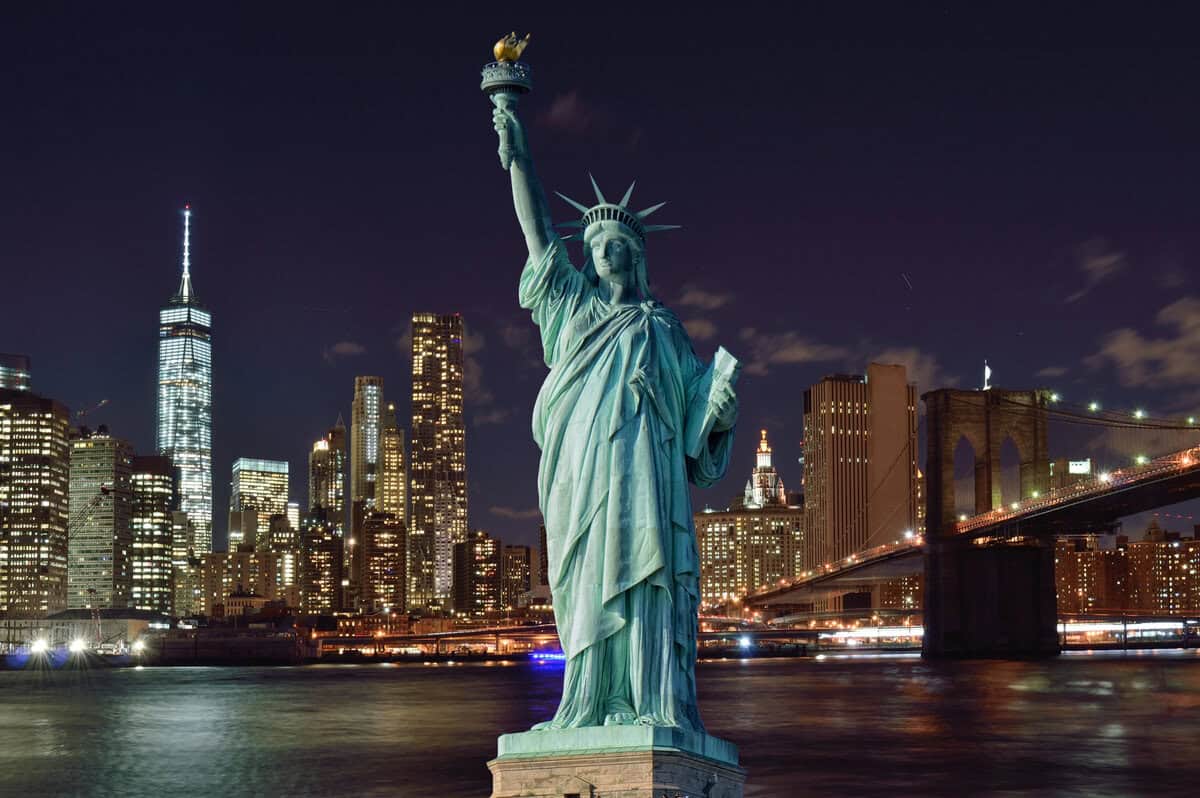
New York City is full of surprises, and this article is all about the most unexpected, quirky, and just plain fun facts about the Big Apple. From the city’s iconic yellow taxis (which weren’t always yellow!) to a secret whispering gallery in Grand Central Terminal, we’re diving headfirst into the strange, hilarious, and fascinating stories that make NYC distinct from any other place on Earth.
Whether you’re a seasoned New Yorker or a curious traveler planning your first trip, these fun facts will help you see the city in a whole new light. So grab your virtual MetroCard and let’s go through fun facts that reveal the true, and often bizarre, personality of New York City.
When people picture New York City, they often think of towering skyscrapers and bustling streets, but the city’s physical layout is just as fascinating as its energy. Spread across five diverse boroughs and wrapped in 520 miles of coastline, NYC is a patchwork of parks, neighborhoods, and natural features that shape how locals live and move. Here are some geography-driven fun facts that reveal the city’s surprisingly green spaces, island quirks, and record-breaking density.
New York City is made up of five boroughs: Manhattan, Brooklyn, Queens, The Bronx, and Staten Island. Each one is like its own city, complete with its own parks, accents, cultures, and attractions. Brooklyn has more residents than many US cities, Queens is the most diverse borough in the country, and Manhattan’s skyline is one of the most famous on Earth. Staten Island has its own ferry, and the Bronx is the birthplace of hip-hop. Each contributes something essential to the city’s identity.
Although it’s the smallest borough by land size, Manhattan is the center of New York’s tourism and business. Beyond landmarks like Wall Street and Times Square, it also holds quieter treasures: The Little Red Lighthouse beneath the George Washington Bridge, the Morris-Jumel Mansion in Washington Heights, and the Cloisters, the Met’s branch devoted to medieval art. The High Line has redefined urban green space, while Fort Tryon Park offers sweeping Hudson River views. With more skyscrapers per square mile than almost anywhere else, Manhattan remains the place where New York’s pace and energy are most visible.
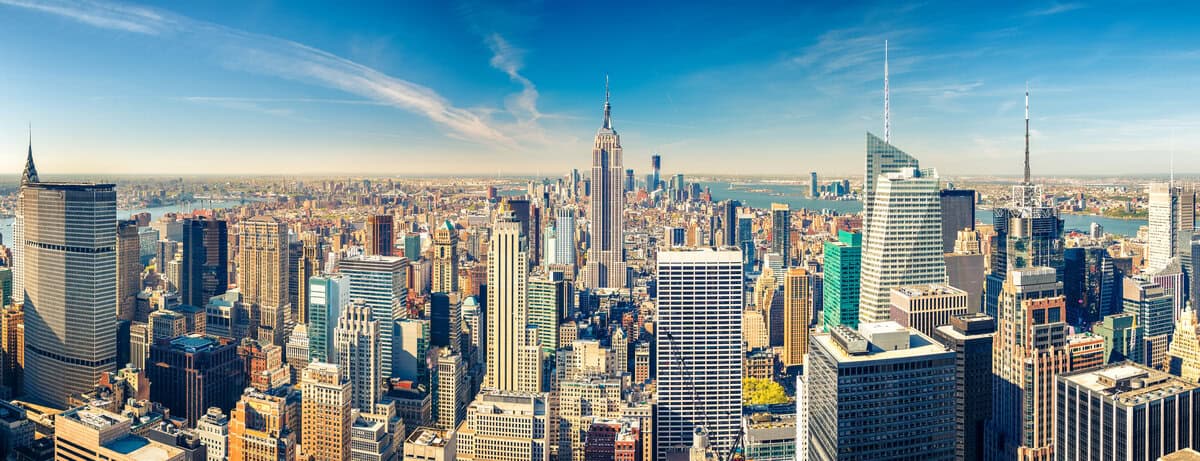
Did you know that Times Square is named after the New York Times? It was originally called Longacre Square, but in 1904, the New York Times moved its headquarters to the newly built Times Tower, and the area was renamed in its honor.
The name “Bronx” comes from Jonas Bronck, a Swedish immigrant who settled the area in 1639. His land was referred to as “Bronck’s Land,” which evolved into “The Bronx.” It’s the only NYC borough with a definite article in its name, and the only one that doubles as a tribute to a long-forgotten European farmer.
It might not seem like it, but New York City has more waterfront than coastal cities like Los Angeles and Miami. Stretching across rivers, bays, harbors, and the Atlantic Ocean, the city’s coastline is perfect for waterfront parks, piers, ferries, and even surfing in the Rockaways.
The concrete jungle also happens to be a green one. From Central Park and Prospect Park to small community playgrounds and plazas, about one-fifth of New York’s land is dedicated to public parks. Thanks to city planning, 99% of residents live within a ten-minute walk of a green space.
New York City’s history is as bold and unpredictable as the city itself. From its beginnings as a Dutch trading post to becoming a global powerhouse, NYC has gone through centuries of change and picked up plenty of colorful stories along the way. These historical fun facts reveal the roots of famous nicknames, surprising weather events, and the origin stories behind the landmarks and traditions we know today.
Before it was New York, it was New Amsterdam – founded by Dutch settlers in the 1600s as a fur trading post. When the British took over in 1664, they renamed it after the Duke of York. But traces of the Dutch influence still linger in street names like Harlem (from “Haarlem”) and the layout of the city’s oldest areas.
New York City’s subway system is the eighth oldest in the world and one of the largest. With 472 stations and over 665 miles of track, it’s the beating heart of the city. On any given weekday, over four million rides are taken. The first line ran from City Hall to Harlem, and it hasn’t stopped growing since.
In the 1920s, sports writer John J. Fitz Gerald used “The Big Apple” to refer to NYC’s horse racing circuit, where the biggest prizes were won. The nickname stuck, and in the 1970s it was revived as part of a tourism campaign that helped rebrand the city during an economic downturn. It’s now one of the most famous nicknames in the world.
Fitz Gerald referred to the money prizes as the “Big Apple.” He once explained the term in an article for the Morning Telegraph:
“The Big Apple. The dream of every lad that ever threw a leg over a thoroughbred and the goal of all horsemen. There’s only one Big Apple. That’s New York.”
During the brutally cold winter of 1780, New York Harbor froze over entirely. People walked from Manhattan to Staten Island across the ice! It was one of the coldest winters on record and a surreal moment in the city’s history.
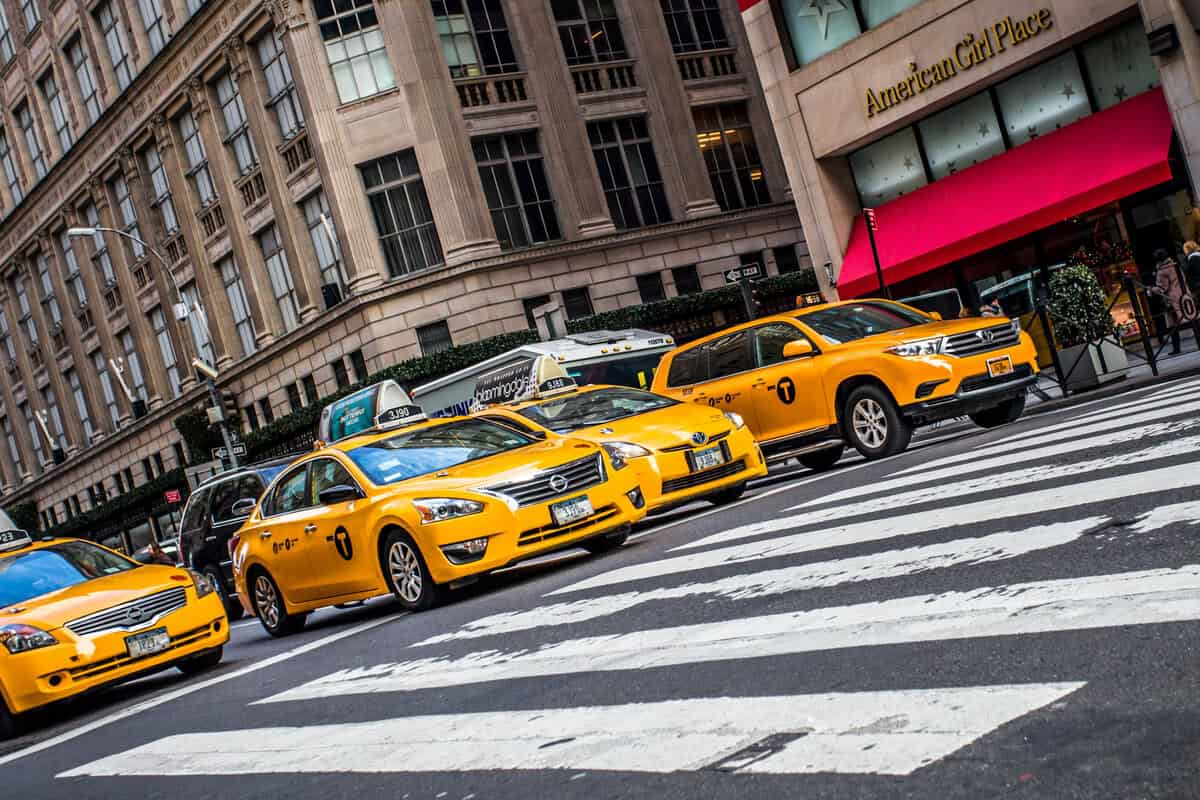
Early taxis came in a rainbow of colors until a 1967 city law standardized them to yellow for visibility. The color was chosen based on a University of Chicago study that found it was the easiest to spot from a distance. These distinctive yellow cabs have become one of NYC’s most iconic sights.
Deep beneath the Federal Reserve Bank in Manhattan, more than 6000 tons of gold are stored, valued at hundreds of billions of dollars. Most of it belongs to foreign governments and banks. It’s protected by 90-ton steel doors 80 feet below street level.
New York’s skyline is iconic, but it’s the landmarks scattered across the city that give it character. The city is full of surprises, including colossal statues shipped across the Atlantic and secret architectural oddities hiding in plain sight. These fun facts reveal the lesser-known stories behind NYC’s most legendary spots.
The Statue of Liberty arrived in 214 crates
One of the most recognized landmarks in the world, Lady Liberty didn’t just roll up fully assembled. The colossal statue was a gift from France, presented in 1885 as a symbol of friendship and freedom. It arrived in 350 individual pieces packed into 214 wooden crates and took four months to reassemble on what is now Liberty Island. The logistics alone make this one of the most fascinating facts in NYC history.
There’s a whispering gallery hidden in Grand Central Terminal
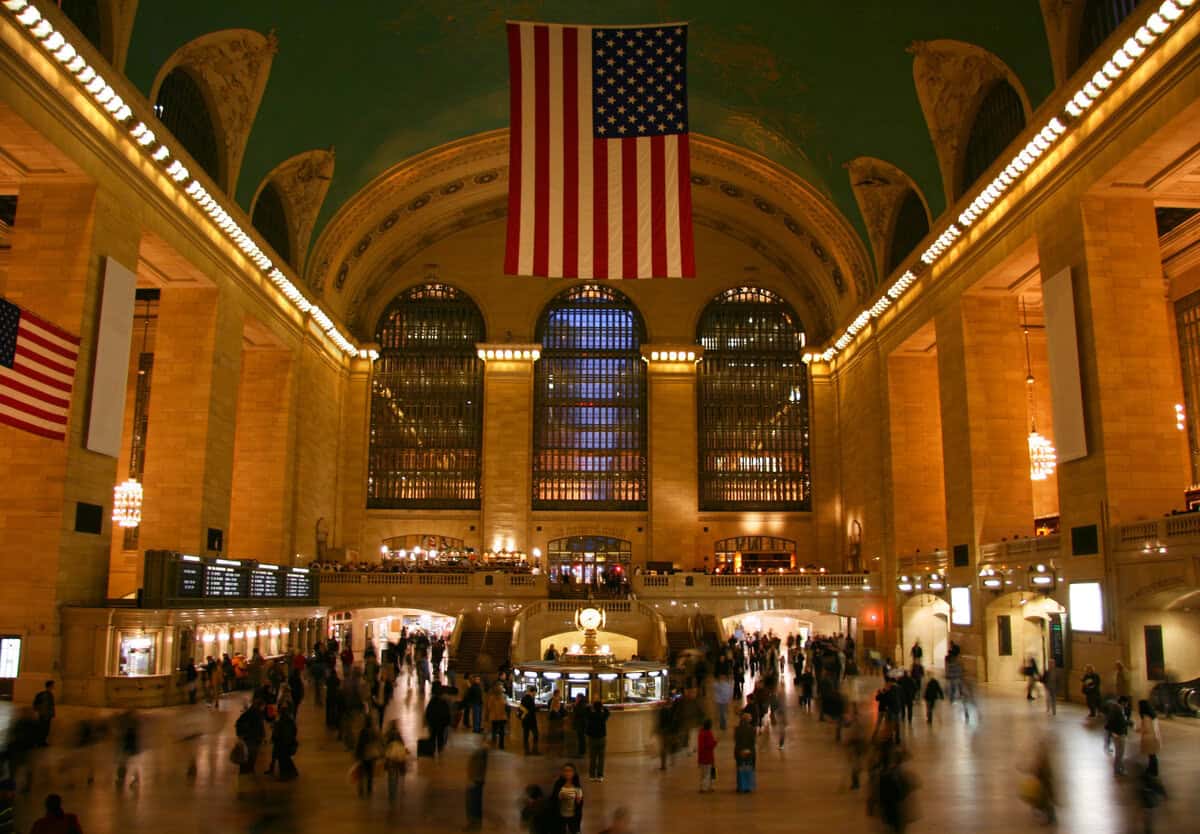
In the lower level of Grand Central Terminal, near the Oyster Bar, you’ll find an unmarked gem: the whispering gallery. Because of the unique archway and tile design, a person can stand in one corner, whisper into the wall, and be heard clearly by someone diagonally opposite, even amid the station’s chaos.
Einstein’s eyeballs are stored in NYC
Yes, this one’s a little spooky. After Albert Einstein died in 1955, the pathologist who performed the unauthorized autopsy removed Einstein’s brain and eyes. The eyes were given to his eye doctor, who placed them in a safety deposit box in New York City. They remain there to this day, just one of many strange and sometimes gruesome artifacts hidden in the city.
New York is a birdwatcher’s paradise
With over 275 bird species recorded across the five boroughs, NYC is surprisingly ideal for birdwatching. Central Park alone is a major stopover point for migratory birds. Whether you’re hoping to glimpse an owl, heron, or warbler, NYC is one of the few urban places where birdwatching feels wild and wonderful.
Central Park is one of the finest birding spots in the United States, attracting birders from all over the world. Birds migrating along the East Coast find Central Park a welcoming place to rest and save energy for the next part of their journey.
Central Park is the most filmed location in the world
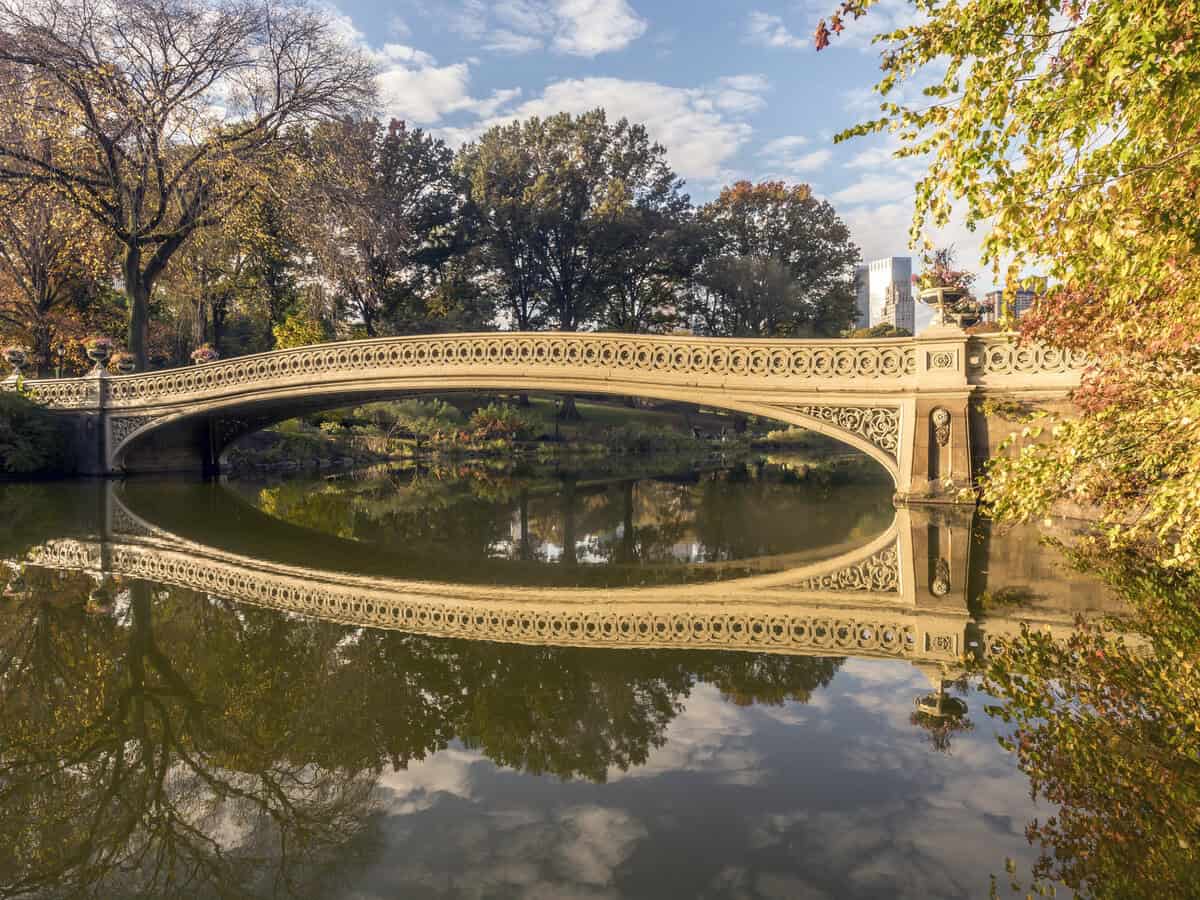
Thanks to its picturesque settings, Central Park has appeared in over 530 films, including “Home Alone 2,” “Avengers,” and “When Harry Met Sally.” The Bow Bridge, Bethesda Fountain, and The Literary Walk are just a few spots that have become familiar to moviegoers worldwide.
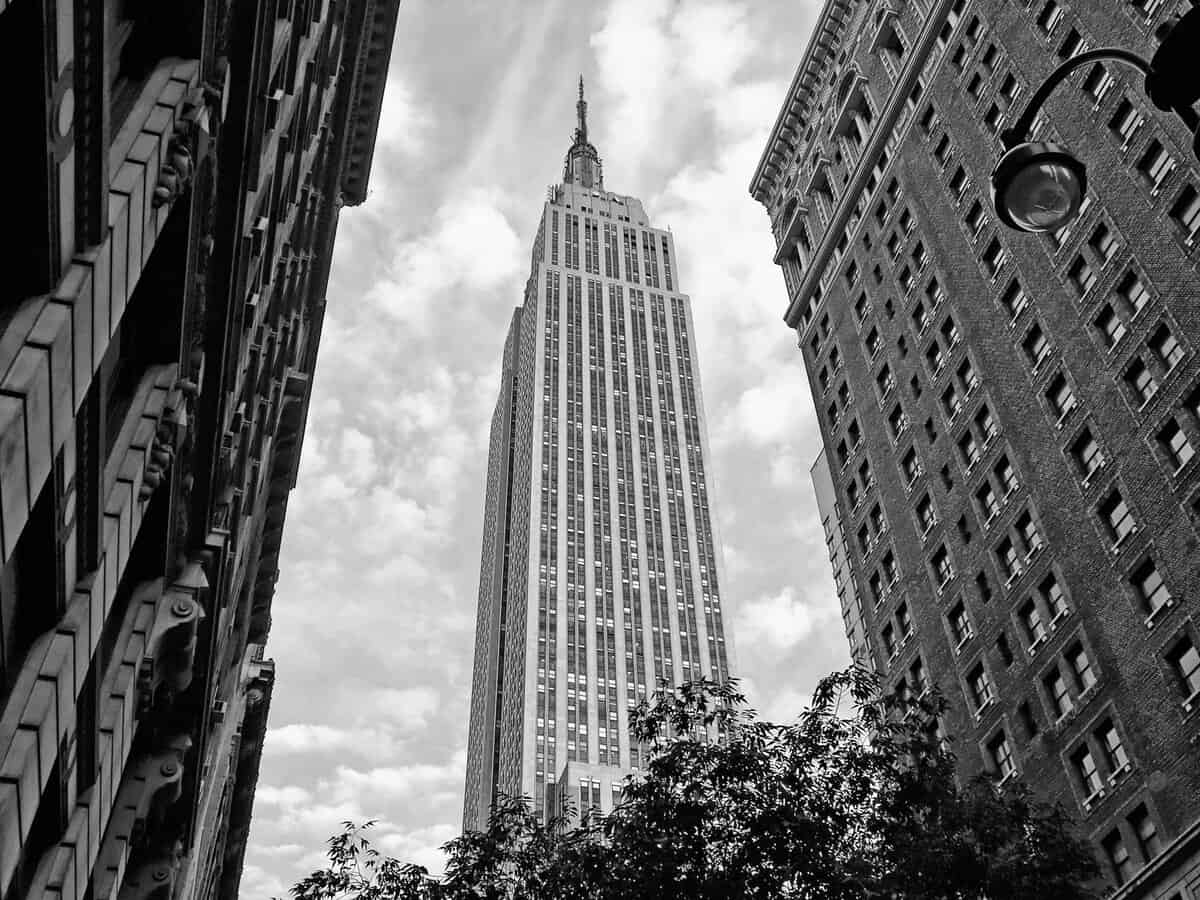
The Empire State Building gets struck by lightning around 25 times a year
One of the tallest buildings in NYC, the Empire State Building is a frequent lightning rod, literally. Its design includes a lightning protection system, making it a safe and stunning conductor of electricity during summer storms.
The Empire State Building has its own ZIP code
Due to its size and the number of tenants, the Empire State Building has its own ZIP code: 10118. It’s one of the few individual buildings in the US with that distinction.
Do you have IT recruitment needs?
In New York, every bite tells a story. It’s where pizza meets economics, and hot dog stands come with six-figure price tags. Food trends are born here and reinvented daily. From oysters paving the streets to the invention of the cronut, NYC’s culinary history is as wild as it is delicious.
The pizza principle is weirdly accurate
Since the 1960s, the cost of a New York subway ride has often matched the price of a slice of pizza – a quirky trend known as the “Pizza Principle.” Economists even use pizza prices to predict subway fare hikes. Today, both a plain slice and a subway ride cost around $3, with slices having recently pulled slightly ahead, yet the link still holds surprisingly true.
NYC invented some of your favorite foods
From eggs Benedict and baked Alaska to the cronut and General Tso’s chicken, New York City has birthed some legendary dishes. It’s a place where food trends are born and reinvented daily, and where almost every cuisine is just a subway ride away.
Hot Dog vendors pay sky-high fees
Think selling hot dogs in NYC is cheap? Think again. The most coveted spots, like near Central Park, can cost over $200000 a year in permit fees. Some vendors pay more in fees than many small businesses pay in rent. But with that kind of foot traffic, they might just break even.

Lombardi’s was America’s first pizzeria
Opened in 1905 in Little Italy, Lombardi’s is widely recognized as one of the first pizzerias in the United States. It still uses a coal-fired oven and serves slices that many consider the benchmark for New York-style pizza.
Pearl Street was once paved with oyster shells
Back in the 18th and 19th centuries, oysters were so abundant and widespread in NYC that their shells were used to pave streets, most notably Pearl Street in Lower Manhattan. Today, that legacy lives on in the city’s seafood culture and history-rich neighborhoods.
We’re approaching the final stretch of our NYC journey, and what better way to end than by exploring what truly makes the city one of a kind: Its people.
New York City isn’t just big, it’s incredibly diverse. Home to over eight million people, it’s a global melting pot where cultures, languages, and lifestyles collide. This section is all about the human side of the Big Apple, bringing to light surprising demographics and unexpected facts hiding in plain sight.
As of the latest census, women make up about 53% of the city’s population. That equates to nearly 600000 more women than men, a demographic detail that influences everything from housing to marketing strategies in the city.
While car horns seem like a constant soundtrack in New York, honking is actually prohibited unless there’s a legitimate safety hazard. This law, dating back to the 1930s, was meant to reduce noise pollution and stress. Although it’s rarely enforced, signs warning “Don’t Honk – $350 Fine” can still be found posted in several areas.
New York’s subway isn’t just a way to get around; it’s a rotating gallery of public art. Over 300 stations feature permanent installations, from tile mosaics and bronze sculptures to vibrant murals and poetry panels. You might find work by well-known artists like Roy Lichtenstein or stumble upon an unknown gem at an unexpected stop.
Live in NYC and own property? You can request that a free tree be planted in front of your building through the Parks Department. It’s part of the city’s plan to grow its urban canopy and improve air quality. Trees are selected based on local conditions and availability, but it might take up to two years from request to planting.
New York is the most linguistically diverse city in the world, with more than 800 languages spoken across its neighborhoods. In Queens alone, you might hear dozens of languages in a single day, and nearly half of New Yorkers speak something other than English at home. Spanish is the most prominent among them, with over two million speakers shaping the rhythms of daily life – from subways and classrooms to restaurants and festivals.
In NYC, this phrase needs no further explanation. It refers to the iconic four-faced clock atop the information booth at Grand Central Terminal. For decades, it has served as the go-to meeting spot for first dates, reunions, and everything in between. It’s both functional and deeply woven into local culture.
New York City has firmly established itself as a modern digital hotspot, a thriving center of invention and growth to rival the West Coast’s traditional powerhouses. According to CBRE’s 2024 Scoring Tech Talent report, the New York Metro area is continuously ranked as the third-best tech talent market in the United States, owing to its large and growing pool of qualified experts. This robust talent pipeline is fuelled by a thriving tech employment sector, which employs over 369000 people and accounts for around 7% of the city’s workforce in 2024, as well as more than 25000 tech companies that drive continuous innovation. The city’s digital ecosystem is growing at an unprecedented rate, with the number of tech startups more than doubling in the last decade to 8000 by 2024.
New York City is also a major player in the global AI revolution. The city’s AI economy is a powerhouse, with a workforce of 40000 AI professionals and over 35 AI unicorns. This strong concentration of talent and investment is expected to add a massive $320 billion to the city’s economy by 2038. This growth is happening all over the city, with key tech hubs forming in neighborhoods like SoHo, Union Square/Flatiron, and parts of Brooklyn such as the Navy Yard, Army Terminal, and DUMBO. These areas are becoming vibrant centers where talent, incubators, and investors meet to create new companies and collaborate.
What distinguishes NYC’s tech scene is its unprecedented opportunity for cross-industry innovation. With its strong ties to banking, journalism, law, and healthcare, the city offers a diverse tapestry of established businesses ripe for technological disruption and collaboration. This distinct combination of industries enables technology businesses to create solutions that have a real-world impact across a wide range of fields.
For businesses looking to enter this competitive and dynamic industry, specialized recruitment support, such as that provided by DevsData LLC, is vital for connecting with the city’s best engineers, data scientists, and product teams. DevsData LLC has a track record of successfully recruiting for high-demand roles in AI, software development, data analytics, and DevOps, with a rigorous screening process that includes technical assessments, background checks, and cultural fit evaluations. DevsData LLC assists enterprises ranging from startups to Fortune 500 firms in building strong, inventive teams capable of thriving in New York’s fast-paced digital ecosystem by using their worldwide network and deep industry knowledge.
New York City isn’t just a metropolis; it’s a never-ending storybook of surprises. From the whispering walls of Grand Central to the frozen harbor walks of 1780, every street corner carries an unusual tale. Whether you’re fascinated by lightning-struck skyscrapers, secret food economics, or why trees are free (but take two years to arrive), the Big Apple delivers endless trivia worth sharing.
These fun facts peel back the layers of the world’s most iconic city, reminding us that New York is more than just buildings and bustle. It’s an ever-evolving place of oddities, wonder, culture, and charm. And whether you visit once or live here a lifetime, there’s always something new waiting to surprise you.
Discover how IT recruitment and staffing can address your talent needs. Explore trending regions
like Poland, Portugal, Mexico, Brazil and more.
 Frequently asked questions (FAQ)
DevsData – your premium technology partner
DevsData is a boutique tech recruitment and software agency. Develop your software project with veteran engineers or scale up an in-house tech team of developers with relevant industry experience.
Free consultation with a software expert
🎧 Schedule a meeting
FEATURED IN


DevsData LLC is truly exceptional – their backend developers are some of the best I’ve ever worked with.”

Nicholas Johnson
Mentor at YC, serial entrepreneur


 Build your project with our veteran developers.
Explore the benefits of technology recruitment and tailor-made software.
Learn how to source skilled and experienced software developers.
Build your project with our veteran developers.
Explore the benefits of technology recruitment and tailor-made software.
Learn how to source skilled and experienced software developers.

Rebecca Botvin

Commercial Director

Tom Potanski
Manager




Categories: Big data, data analytics | Software and technology | IT recruitment blog | IT in Poland | Content hub (blog)
Email copied
And many other regional partners across Latin and North America, as well as Central and Eastern Europe. Let's talk.
















careers@devsdata.com









general@devsdata.com

"I interviewed about a dozen different firms. DevsData LLC is truly exceptional – their backend developers are some of the best I've ever worked with. I've worked with a lot of very well-qualified developers, locally in San Francisco, and remotely, so that is not a compliment I offer lightly. I appreciate their depth of knowledge and their ability to get things done quickly."

Nicholas Johnson
CEO of Orange Charger LLC,
Ex-Tesla Engineer,
Mentor at YCombinator
"DevsData reached out to us, as we've been looking to grow our engineering team in Europe and Poland. Communicating efficiently and professionally, DevsData made a strong impression with their understanding of the recruitment challenges we were facing. They designed a tailored recruitment process for our needs. I was impressed with the technical depth of their approach."

Karim Butt
Co-Founder & CTO at GlossGenius, Inc.
"Out of all the vendors we work with, DevsData clearly stands out. The quality of developers they deliver is beyond what we've received from any other vendor, and they've been able to send profile recommendations very quickly. I'm happy to be their reference for other companies from Israel and talk about their recruitment abilities and what they delivered for us."

Ran Eyal
Senior Manager at
ZIM Integrated
Shipping Services Ltd.
"DevsData demonstrated a strong degree of proactivity, taking time to thoroughly understand the problem and business perspective, and continuously suggesting performance and usability enhancements. Their app exceeded my expectations. I've worked with DevsData on numerous projects over the last 3 years and I'm very happy. Being both responsive and honest in communication."

Jonas Lee
Partner & Executive VP of Verus,
Financial LLC, Investor,
& Serial Entrepreneur
Acknowledgments