Thanks for subscribing.
Your gift is on the way.
 Link copied

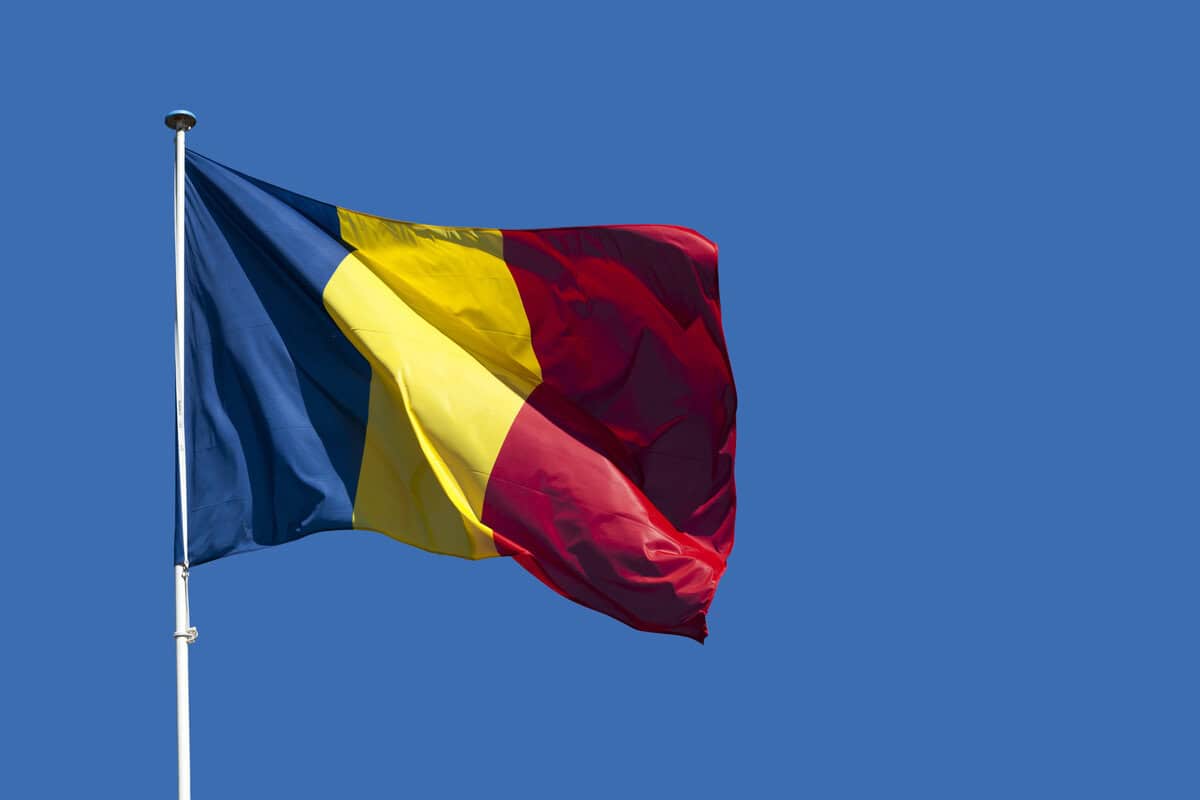
Romania stretches from the Carpathian Mountains to the Black Sea. In one town, you may see witty poems carved onto bright wooden crosses. In another, you might hear an old winter song still performed on the streets. Castles sit on hilltops, while dense forests cover much of the countryside. The national language, with its Latin roots, gives the country a voice unlike its neighbors.
Travelers often find the atmosphere welcoming and safe. Romania’s safety index is 67.59, higher than in the US and much of Western Europe, which adds reassurance when exploring beyond the cities.
The country also brings together seven UNESCO World Heritage Sites, broadband speeds that rank among Europe’s best, and a calendar filled with festivals and nature trips. We’ll start with a short overview, then move into unusual facts, local traditions, and food before closing with answers to common visitor questions.
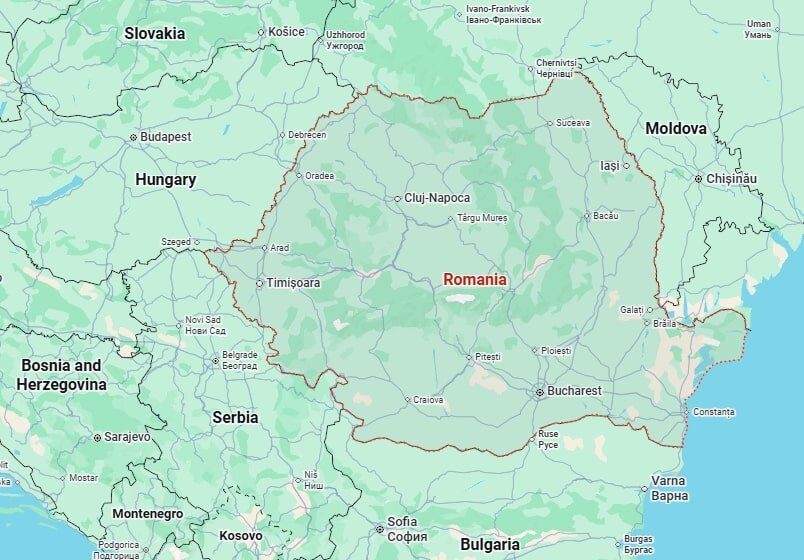
Romania sits at the meeting point of Central and Eastern Europe. Mountains rise in the center, farmland stretches across the south, and cities bring a faster pace of life. The country’s heart beats in its mix of rural traditions and contemporary city life, where classic folk celebrations still shape everyday routines and Bucharest’s wide boulevards contrast with quiet village streets. Romania is known for its deep religious traditions. Many regions speak more than one language. Daily life shows traces of both Eastern and Western influence.
The economy shows mixed signals. Growth slowed last year, but forecasts point to a gradual recovery through 2025 and into 2026. Household spending remains the key force behind expansion, supported by higher wages and pensions.
Public works financed with EU funds are beginning to lift investment again. Foreign trade is weaker, though analysts expect a slow rebound later in the year. Prices still rise faster than the central target, yet joblessness has not climbed, leaving the labor market broadly steady. Industry is uneven, with automotive output falling even as consumer activity stays firm. The broad picture is one of cautious progress: Consumption gives stability. Investment is starting to grow again. Exports remain weaker for now, though they may improve once global demand strengthens. These economic trends provide context for Romania’s broader profile, which is outlined in the snapshot of key facts that follows.
| Population | 18,899,498 (2025 est.) |
| Area | 238,391 km² |
| Capital city | Bucharest |
| Major languages | 89% Romanian (official), 7% Hungarian, 3% German |
| Major religions | 73.6% Romanian Orthodox, 6.3% Protestant, 3.9% Roman Catholic, 1.5% other faiths, 0.8% secular, 14% no response |
| Time zone | UTC+02:00 (GTB Standard Time) |
| GDP per capita | 20,072.41 $ (2024) |
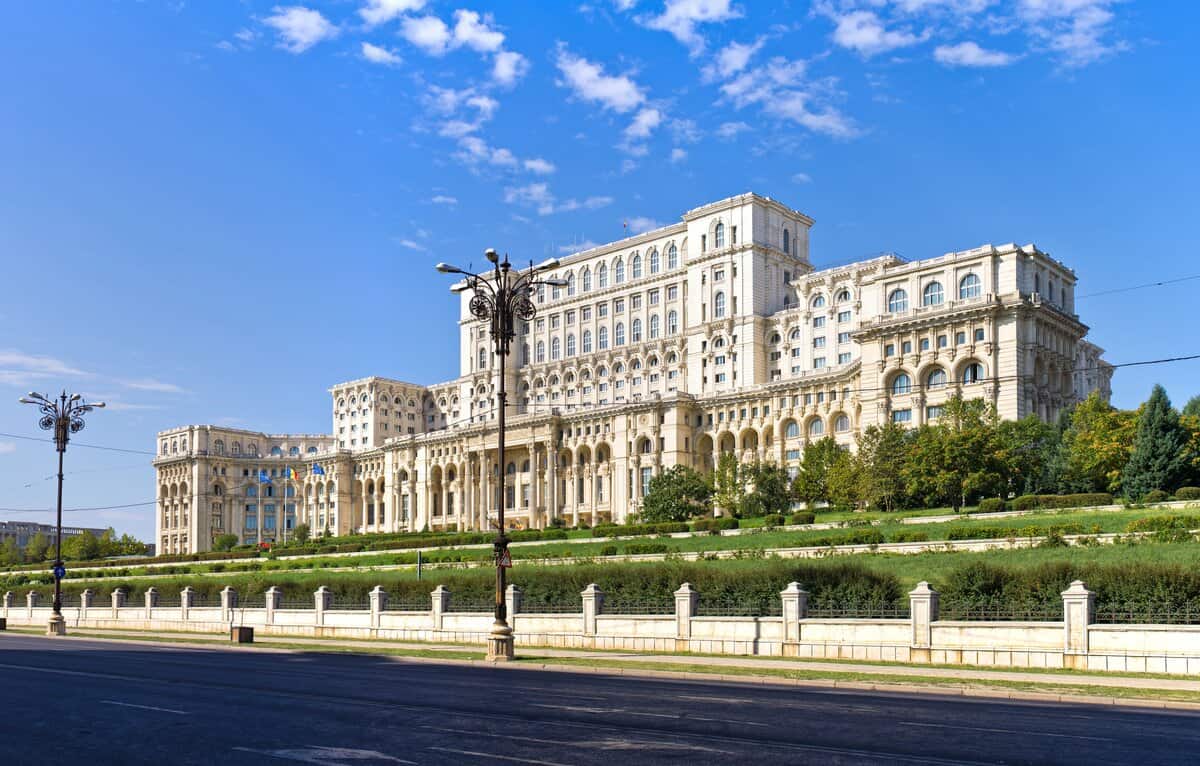
Romania is often noted for unusual achievements that set it apart from nearby countries. Some of these records are tied to architecture, others to early inventions, and many to the scale of its natural landmarks. Bucharest’s Palace of the Parliament, for example, is the world’s heaviest building and second in size only to the Pentagon.
The country’s timeline goes back to the oldest human fossils found in Europe, discovered in the “Cave with Bones.” Romanian is also the only Romance language spoken in Eastern Europe, a reminder of the region’s centuries-old ties to the Roman Empire.
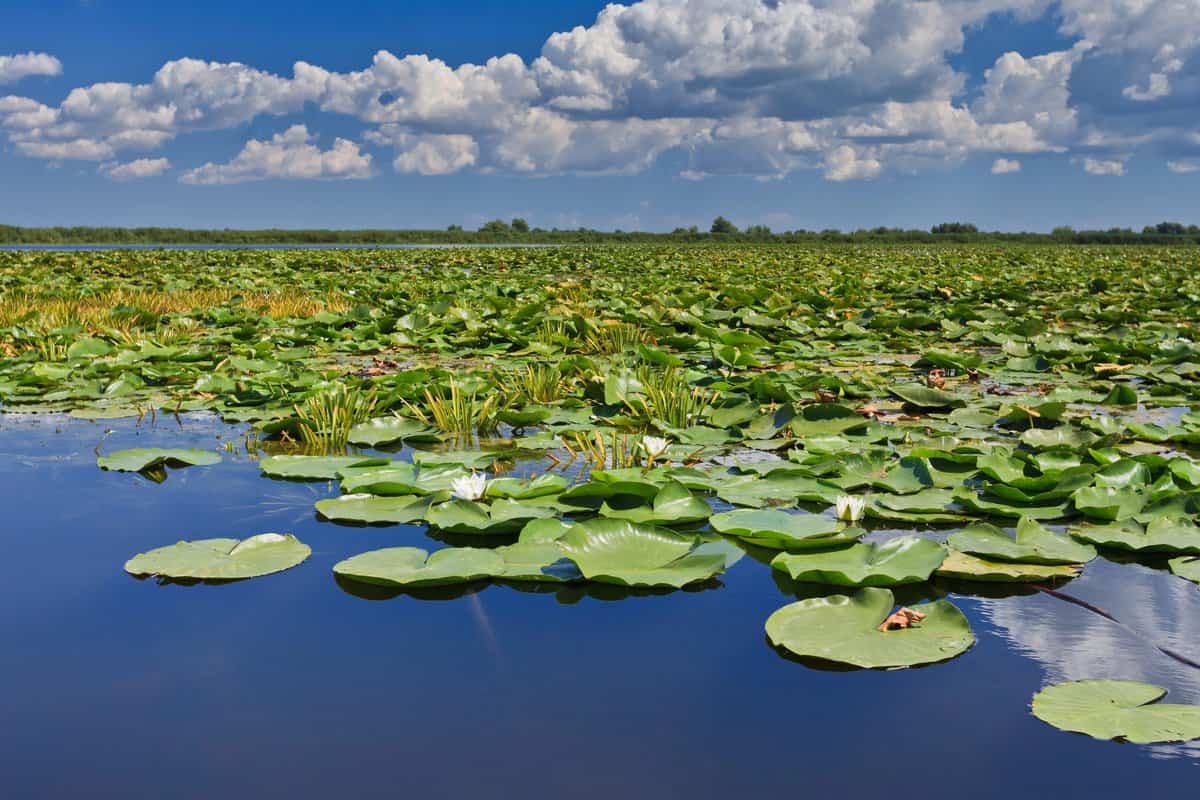
Nature’s beauty is just as distinct and impressive.
Romania is home to one of Europe’s best-preserved deltas, the Danube Delta, and Bigar Cascade Falls, once voted the world’s most beautiful waterfall by The World Geography.
These natural landmarks exemplify the country’s success in preserving wild spaces and attracting nature lovers from around the globe.
Romanian innovation and creativity add even more character to the country’s profile. Petrache Poenaru invented the modern fountain pen. Timișoara made history as the first city in Europe to use electric street lighting. Henri Coandă built one of the earliest jet aircraft designs, influencing aviation worldwide. The world’s first industrial oil refinery also opened in Romania, marking the country’s role in shaping the modern energy sector. These achievements, along with centuries-old customs and vivid folklore, show why Romania defies simple categories and offers something you won’t find anywhere else.
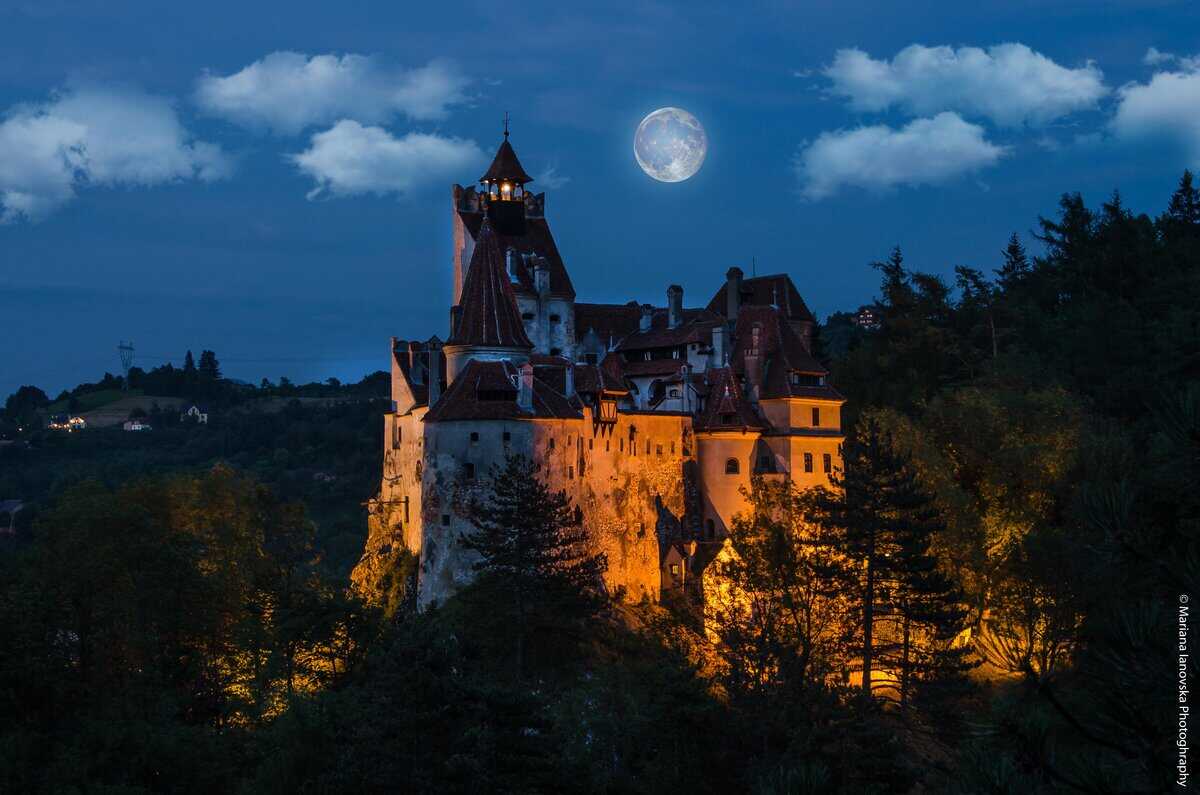
Romania’s record-breaking achievements and natural wonders only scratch the surface. The country’s daily life and history are packed with stories, curiosities, and firsts that set it apart in Europe. Here are some of the most remarkable and surprising facts about Romania:
1. Home of the real Dracula
Bran Castle looks like something out of a vampire movie, but locals care much more about its royal history than the Dracula legends.
2. A country of castles
Romania has more than 200 castles and fortresses, many surrounded by dramatic mountains and tied to spooky stories.
3. Medieval Saxon villages
Transylvania’s villages seem frozen in time, with pastel houses and fortified churches built by German Saxons centuries ago.
4. The Merry Cemetery
In the village of Săpânța, tombstones are decorated with colorful, witty poems that describe the lives (and sometimes the unusual deaths) of those buried there.
5. The world’s first perfect 10
Nadia Comăneci stunned the world at age 14 by scoring gymnastics’ first-ever “perfect 10” at the 1976 Montreal Olympics.
6. Home to Europe’s largest brown bear population
The Carpathian Mountains in Romania are the wildest part of Europe, with more brown bears than anywhere else on the continent.
7. The living fire
In Buzău County, a natural “eternal flame” burns year-round where natural gas seeps out from underground.
8. Unique mud volcanoes
At Berca, you’ll find bubbling mud volcanoes. These small, lunar-like craters ooze mud instead of lava.
9. Fastest internet in Europe
Romania regularly ranks near the top for broadband speed in Europe, making it a favorite spot for digital nomads.
10. The Tate brothers’ connection
Andrew and Tristan Tate, former professional kickboxers and online influencers, moved to Romania around 2017. They established a residence in Pipera, near Bucharest, where they operated their business activities. Their presence in the country has drawn significant global attention due to multiple legal investigations.
Romania’s past explains much, but daily life adds another layer. Travelers notice small customs that locals still keep, from seasonal rituals to street festivals. Some traditions feel playful, others more ceremonial, yet together they give the country a character that stands out. Beyond its castles and records, Romania has a playful spirit, seen everywhere from lively festivals to the ways people celebrate the changing seasons. The fun side of the country appears in many ways. A winter parade might feature costumed dancers. A village story can mix myth with laughter. Even ordinary places sometimes hold a playful surprise. Here are some interesting examples that show why exploring Romania is never dull:
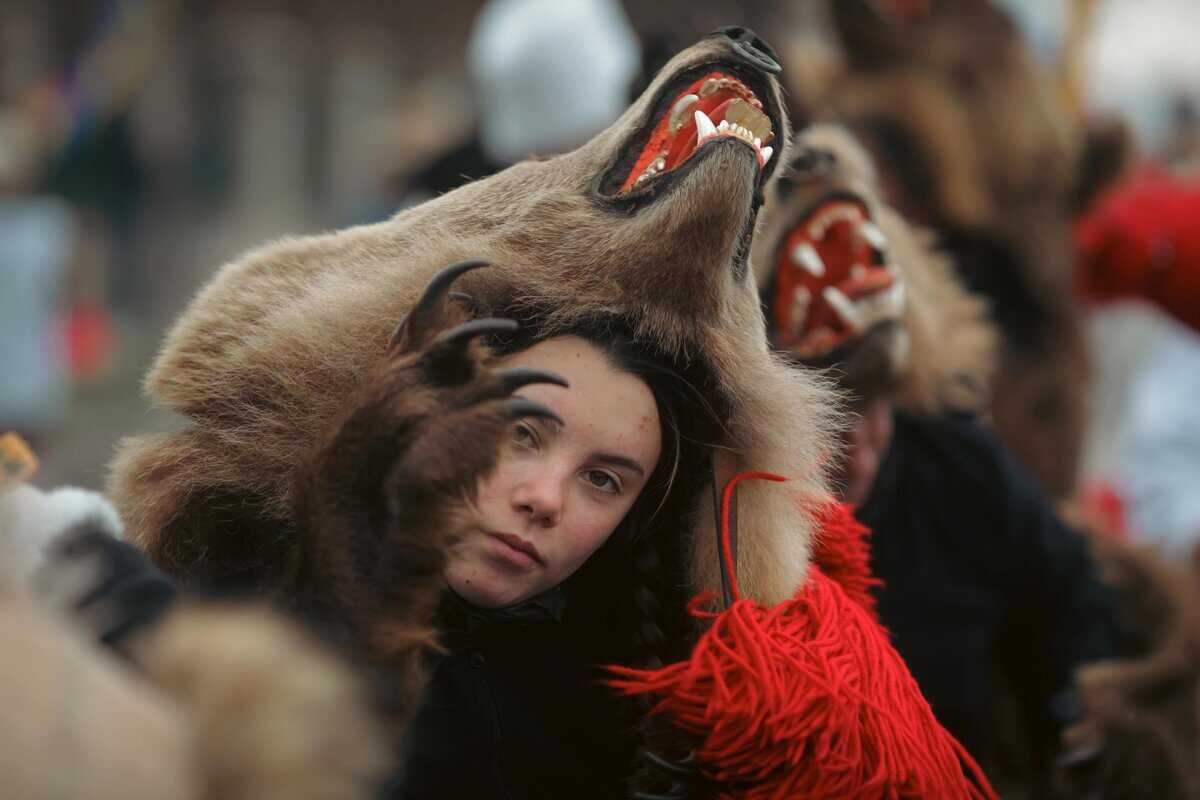
1. Bear dancers parade every winter
Every December, people in towns like Comănești dress in real or imitation bear skins and dance to ward off bad luck for the coming year. This centuries-old ritual is a true Romanian spectacle.
2. Sorcova caroling for New Year’s luck
Children go door-to-door on New Year’s Day, tapping adults gently with decorated branches called sorcova while singing for health and prosperity. Sweets and small gifts are the usual reward.
3. Village bus stops become mini-markets
In rural areas, bus stops are transformed into little markets where villagers sell homemade cheese, flowers, eggs, and produce.
4. Europe’s largest stone sculpture faces the Danube
The 55-meter cliff carving of King Decebalus overlooks the Danube and took a decade to complete.
5. Sibiu’s houses seem to “watch” you
Many roofs in the old town of Sibiu feature window openings shaped like eyes, giving buildings a whimsical, watchful look.
6. Painted monasteries are outdoor storybooks
Bukovina’s UNESCO monasteries are covered in vibrant frescoes that depict religious stories and battles both inside and out.
7. Spring begins with mărțișor charms
On March 1st, Romanians give friends and family little red-and-white string tokens called mărțișor to welcome spring and wish for good fortune.
8. Peleș Castle brought electricity to the mountains
One of Europe’s first castles with electric lighting and central heating, Peleș set the standard for royal comfort in the 19th century.
9. The Astra Museum recreates whole villages
Located in Sibiu, the outdoor Astra Museum showcases over 300 historic homes, windmills, and workshops from all over Romania.
10. The Sarmale Festival celebrates stuffed cabbage
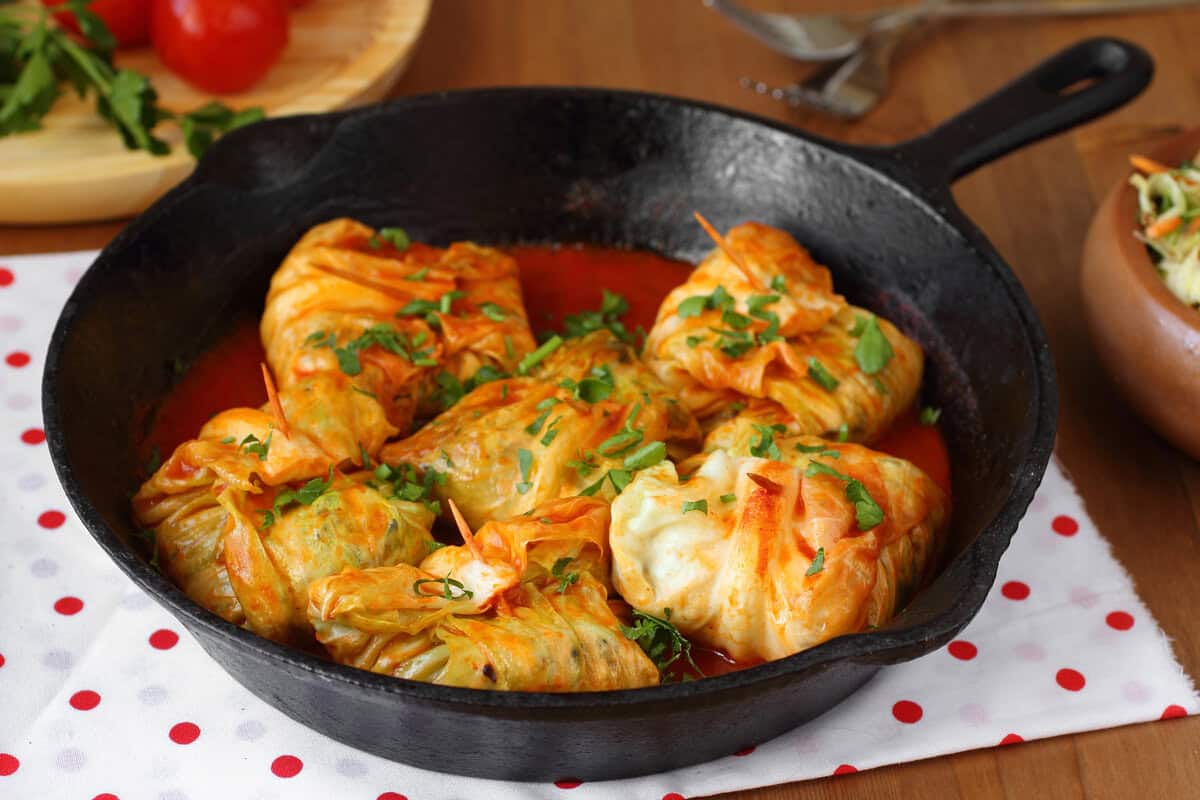
In Praid and other towns, fall brings friendly contests and feasts featuring Romania’s beloved sarmale rolls. These are cabbage leaves filled with minced meat, rice, and spices, then simmered slowly in tomato sauce until tender.
Romania’s culture comes alive in its food, music, clothing, and daily rituals. Traditional folk dances like the Călușari and lively village festivals still shape community life, while handcrafted blouses and wooden gates showcase centuries-old skills passed down through families. Visitors find that each region has its own style of embroidery, music, and celebration, creating a patchwork of identities across the country.
Food is at the heart of Romanian hospitality. Tables fill with generous portions of sarmale (stuffed cabbage rolls), mămăligă (cornmeal porridge), and slow-cooked stews made from local ingredients. Every season brings its own specialties, from smoked sausages in winter to tangy sheep’s cheese and fresh vegetables in summer. Many families still make wine at home, pressing grapes each autumn and sharing bottles during long meals and holidays.
Meals in Romania aren’t rushed. Eating is a social event, often stretching over several courses and hours of lively conversation. You might taste sweet cozonac at Easter. In the countryside, fresh polenta often appears on the table. Homemade wine is shared at long family meals. Each dish carries a story about Romania’s history and the importance of gathering together
Romania’s appeal goes far beyond what you see on the surface. From unusual customs and vibrant festivals to historic castles and playful folk tales, the country finds creative ways to celebrate daily life. Children carol for good luck on New Year’s Day, and families gather at lively markets that feel like community fairs. In some places, whole towns still join in traditions that make Romania feel both timeless and alive. The mix of old and new, along with so many distinct stories, means every trip offers a fresh discovery.
Exploring Romania’s culture and cuisine gives travelers a deeper understanding of its warmth and diversity. If you’re searching for a place filled with fun surprises and genuine hospitality, Romania stands out as a destination where every moment has its own story to tell.
Any questions or comments? Let me know on Twitter/X.
Discover how IT recruitment and staffing can address your talent needs. Explore trending regions like Poland, Portugal, Mexico, Brazil and more.
 Frequently asked questions (FAQ)
DevsData – your premium technology partner
DevsData is a boutique tech recruitment and software agency. Develop your software project with veteran engineers or scale up an in-house tech team of developers with relevant industry experience.
Free consultation with a software expert
🎧 Schedule a meeting
FEATURED IN


DevsData LLC is truly exceptional – their backend developers are some of the best I’ve ever worked with.”

Nicholas Johnson
Mentor at YC, serial entrepreneur


 Build your project with our veteran developers.
Explore the benefits of technology recruitment and tailor-made software.
Learn how to source skilled and experienced software developers.
Build your project with our veteran developers.
Explore the benefits of technology recruitment and tailor-made software.
Learn how to source skilled and experienced software developers.

Rebecca Botvin

Commercial Director
Tom Potanski
Manager




Categories: Big data, data analytics | Software and technology | IT recruitment blog | IT in Poland | Content hub (blog)
Email copied
And many other regional partners across Latin and North America, as well as Central and Eastern Europe. Let's talk.













careers@devsdata.com









general@devsdata.com

"I interviewed about a dozen different firms. DevsData LLC is truly exceptional – their backend developers are some of the best I've ever worked with. I've worked with a lot of very well-qualified developers, locally in San Francisco, and remotely, so that is not a compliment I offer lightly. I appreciate their depth of knowledge and their ability to get things done quickly."

Nicholas Johnson
CEO of Orange Charger LLC,
Ex-Tesla Engineer,
Mentor at YCombinator
"DevsData reached out to us, as we've been looking to grow our engineering team in Europe and Poland. Communicating efficiently and professionally, DevsData made a strong impression with their understanding of the recruitment challenges we were facing. They designed a tailored recruitment process for our needs. I was impressed with the technical depth of their approach."

Karim Butt
Co-Founder & CTO at GlossGenius, Inc.
"Out of all the vendors we work with, DevsData clearly stands out. The quality of developers they deliver is beyond what we've received from any other vendor, and they've been able to send profile recommendations very quickly. I'm happy to be their reference for other companies from Israel and talk about their recruitment abilities and what they delivered for us."

Ran Eyal
Senior Manager at
ZIM Integrated
Shipping Services Ltd.
"DevsData demonstrated a strong degree of proactivity, taking time to thoroughly understand the problem and business perspective, and continuously suggesting performance and usability enhancements. Their app exceeded my expectations. I've worked with DevsData on numerous projects over the last 3 years and I'm very happy. Being both responsive and honest in communication."

Jonas Lee
Partner & Executive VP of Verus,
Financial LLC, Investor,
& Serial Entrepreneur
Acknowledgments